Product file

Analogue Pocket

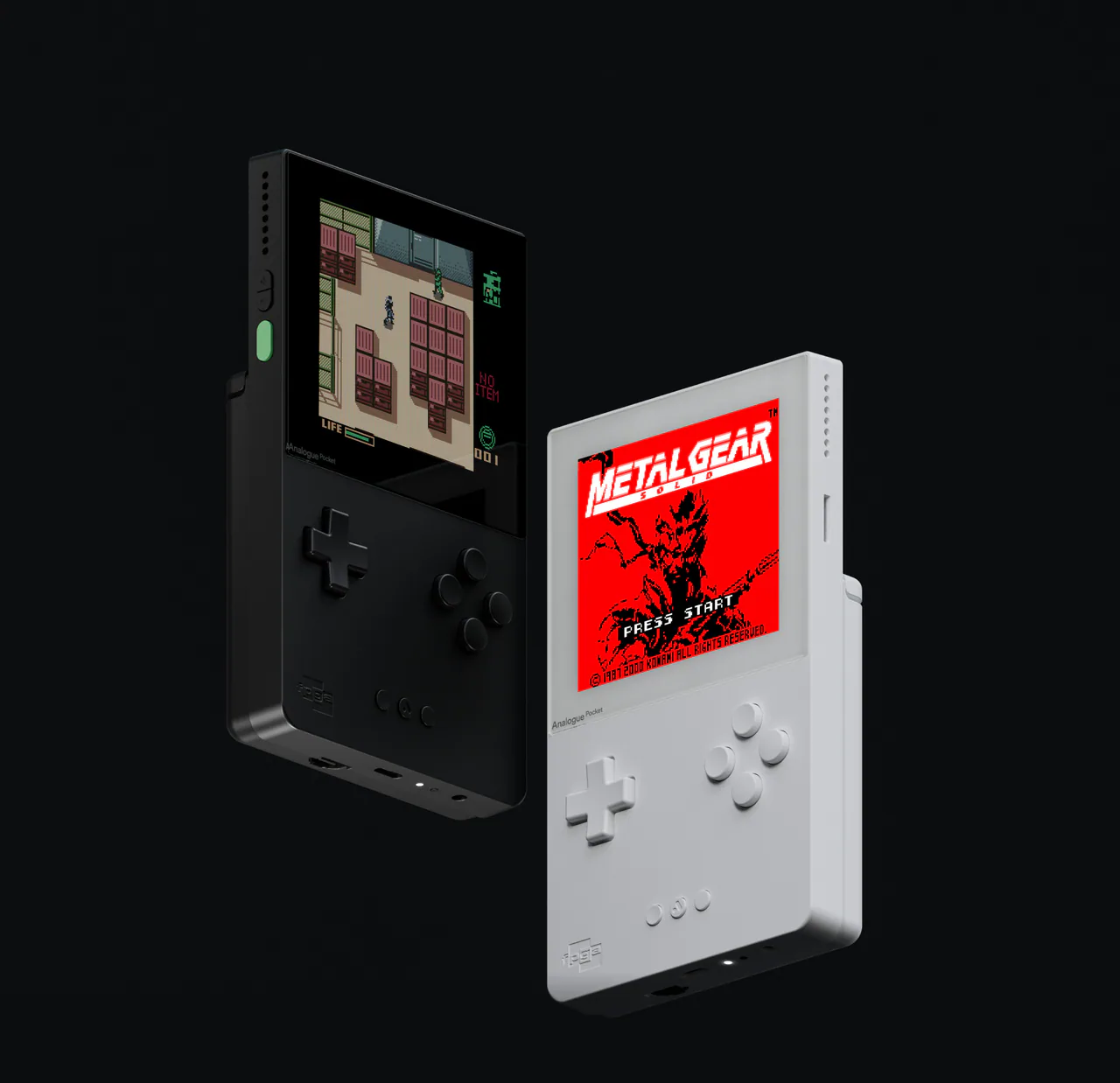
Analogue Pocket is the specialist cartridge-preservation pick, built for Game Boy-family collectors and FPGA-minded retro players rather than broad Android or PC game compatibility.

Brand
Analogue
Model
Pocket
Category
Handheld Game Consoles
Updated
2026-05-15
Reviewed by
RankReason Editorial Desk
Analogue Pocket
Image by Analogue

RankReason review

Editorial Review

Ranked #10 in Handheld Game Consoles · Score 75/100

Bottom line

Analogue Pocket is here as a specialist preservation handheld, not a broad emulation or PC-gaming device. Its original-cartridge focus, FPGA and openFPGA positioning, premium feel, and excellent high-resolution display make it distinct enough to earn a top-10 slot.

Ranked tenth as the specialist preservation pick. It is not a general-purpose emulation handheld, but original-cartridge support, FPGA positioning, a superb high-resolution display, and a distinct collector use case earn it a ranked slot over broader but less distinctive alternatives.

Choose Analogue Pocket for cartridge preservation and premium retro play. Skip it if you want a cheap ROM-focused handheld, a modern game store, or a general-purpose gaming device.

Analogue’s product positioning and review coverage support the collector focus: Pocket is built around original cartridges and FPGA-style preservation rather than broad modern-game access.

The high-resolution display claim is backed by Analogue’s published specs and reviews that repeatedly highlight how cleanly classic handheld games scale on the Pocket screen.

Analogue Pocket is strongest where It is the clearest fit for Game Boy, Game Boy Color, and Game Boy Advance cartridge collectors, The high-resolution display and premium hardware make classic handheld games look and feel unusually refined, FPGA and openFPGA workflows give preservation-minded buyers a different path than Android software emulation. Those strengths make it feel less like a spec-sheet pick and more like a product with a clear reason to exist in its category.

The main caveats are The use case is narrow if you do not own cartridges or care about FPGA workflows, Accessory timing, support cadence, and limited-edition availability can frustrate owners, Budget retro handhelds cover more casual needs for less money and less collector focus. We would treat those as real buying filters rather than footnotes, especially if you are comparing it against cheaper or more specialized alternatives.

It makes the most sense for Game Boy, Game Boy Color, and GBA cartridge collectors, Preservation-minded retro players, Buyers who value FPGA/openFPGA workflows, but it is less compelling for Budget ROM-emulation shoppers, Kids or families needing a current game store.

What stands out

  • It is the clearest fit for Game Boy, Game Boy Color, and Game Boy Advance cartridge collectors.
  • The high-resolution display and premium hardware make classic handheld games look and feel unusually refined.
  • FPGA and openFPGA workflows give preservation-minded buyers a different path than Android software emulation.
  • Best cartridge-preservation fit
  • Excellent display and premium feel
  • Distinct from software-emulation handhelds

Tradeoffs

  • The use case is narrow if you do not own cartridges or care about FPGA workflows.
  • Accessory timing, support cadence, and limited-edition availability can frustrate owners.
  • Budget retro handhelds cover more casual needs for less money and less collector focus.
  • Narrow use case
  • Accessory/support timing can frustrate owners
  • Higher cost than budget retro handhelds

Who it is for

  • Game Boy, Game Boy Color, and GBA cartridge collectors
  • Preservation-minded retro players
  • Buyers who value FPGA/openFPGA workflows

Who should skip it

  • Budget ROM-emulation shoppers
  • Kids or families needing a current game store
  • Buyers without cartridges or interest in preservation workflows

Product Snapshot

Pros

  • Best cartridge-preservation fit
  • Excellent display and premium feel
  • Distinct from software-emulation handhelds

Cons

  • Narrow use case
  • Accessory/support timing can frustrate owners
  • Higher cost than budget retro handhelds

Source-backed Claims

Analogue Pocket is the best specialist fit for original-cartridge collectors and FPGA/preservation buyers.

Analogue’s product positioning and review coverage support the collector focus: Pocket is built around original cartridges and FPGA-style preservation rather than broad modern-game access.

Confidence: high · Updated 2026-05-15

Its high-resolution display and premium cartridge-focused experience make classic handheld games look unusually good.

The high-resolution display claim is backed by Analogue’s published specs and reviews that repeatedly highlight how cleanly classic handheld games scale on the Pocket screen.

Confidence: high · Updated 2026-05-15

It is a poor fit for buyers without cartridges or interest in FPGA/openFPGA workflows.

Reviews and owner discussions make the narrow-fit warning clear: without cartridges or interest in openFPGA workflows, the Pocket’s strengths are harder to justify against cheaper emulation handhelds.

Confidence: high · Updated 2026-05-15