 8BitDo
 Current ranking
Tech & Gaming / Gaming Controllers
Best gaming controllers for PC gaming in 2026
Ten researched PC controller picks spanning simple Windows defaults, wired value, receiver wireless, competitive controls, symmetrical layouts, and deep customization.
How We Chose the Best Gaming Controllers
We scored every complete candidate for Windows fit, input performance by connection mode, control design, setup, owner-backed reliability, and qualitative value. Single-unit measurements stayed tied to their firmware and test conditions.
Ranking information Methodology and scoring criteria
Why this ranking exists
We scored every complete candidate for Windows fit, input performance by connection mode, control design, setup, owner-backed reliability, and qualitative value. Single-unit measurements stayed tied to their firmware and test conditions.
How we ranked them
- PC compatibility Windows compatibility, XInput behavior, connection options, game support, and PC-specific feature boundaries.
- Input performance Stick behavior, latency and consistency by connection mode, trigger response, and measurement confidence.
- Controls and ergonomics Control feel, directional pad, rear inputs, trigger modes, hand fit, layout options, and useful customization hardware.
- Setup and software Setup friction, remapping, profiles, firmware handling, calibration, and software dependence.
- Reliability and owner confidence Owner experience across independent channels, recurring durability or connection patterns, support context, and reporting confidence.
- Qualitative value Qualitative value based on capability, ownership friction, durability signals, included hardware, and relative price positioning.
- PC compatibility20%
- Input performance20%
- Controls and ergonomics20%
- Setup and software15%
- Reliability and owner confidence10%
- Qualitative value15%
Ranked product lineup
8BitDo 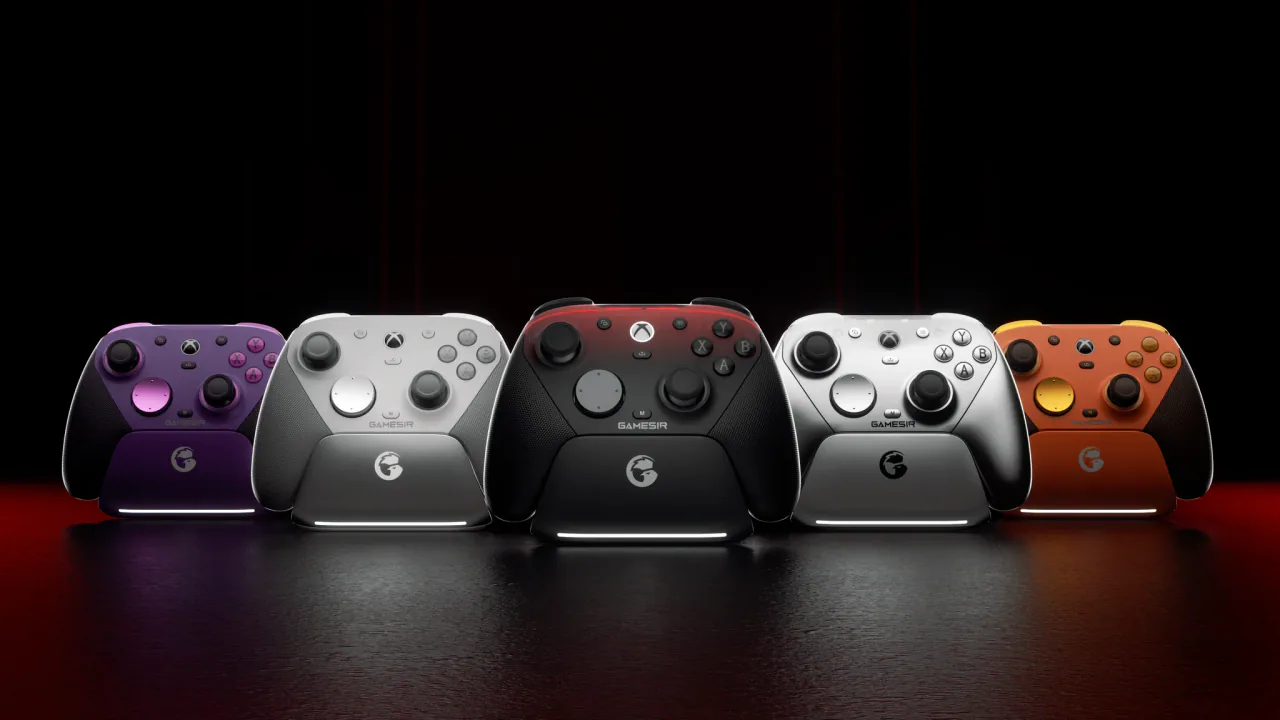 GameSir
 G7 Pro
 GameSir
 G7 SE
 8BitDo
 Ultimate 2C Wireless Controller
 Razer
Razer Wolverine V3 Pro 8K PC
 Microsoft
 Xbox Wireless Controller
 ASUS ROG
 Raikiri II Xbox Wireless Controller
 Nacon
Nacon Revolution X Unlimited
 Sony
Sony DualSense Wireless Controller
 Sony Interactive Entertainment
 Sony DualSense Edge
Decision table Best-fit and skip-if notes
Pick Best fit Skip if Score
#1
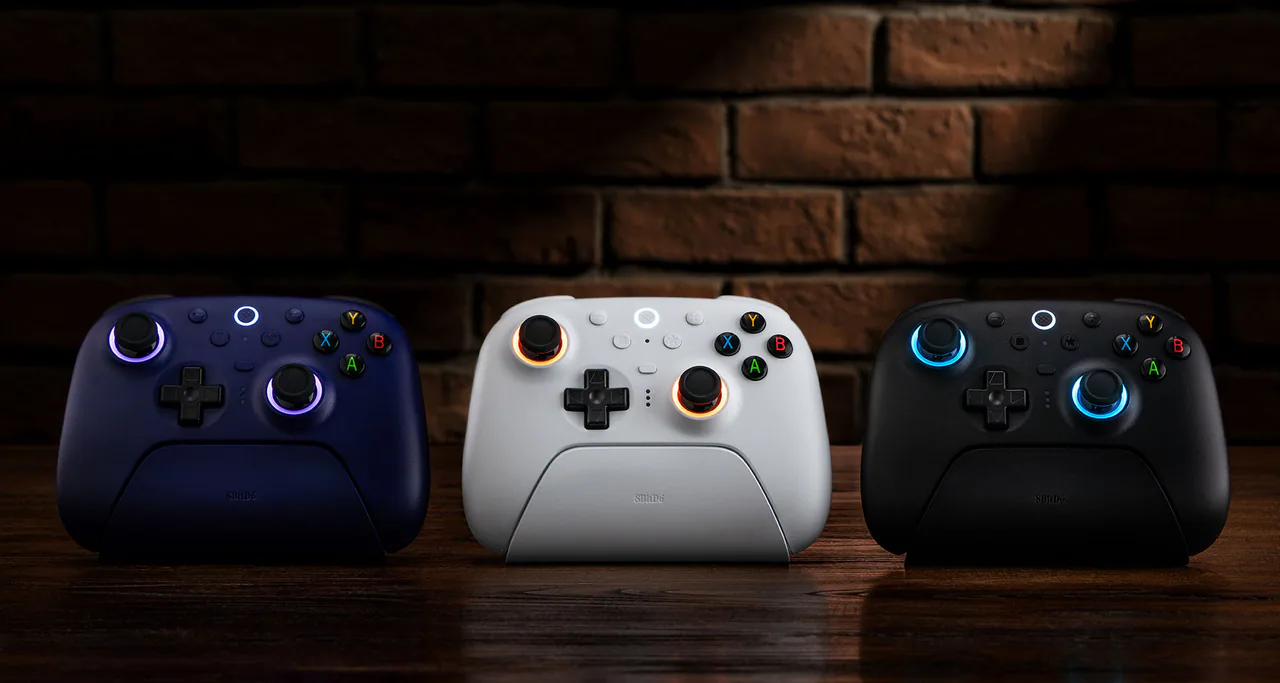
Windows players who want receiver wireless and a charging dock
Large hands sensitive to compact grips
90/100
#2
GameSir
GameSir G7 Pro
PC players who want receiver wireless and several extra controls
Players who require wireless Xbox-console use
89/100
#3
GameSir
GameSir G7 SE
Budget-conscious wired PC gaming
Couch setups that require wireless
89/100
#4
Budget wireless Windows gaming with a USB receiver
Players who need rear paddles or deep profiles
88/100
#5
Competitive PC shooters
Console players
86/100
#6
Microsoft
Xbox Wireless Controller
Plug-and-play Windows gaming
Buyers seeking magnetic-sensing sticks
86/100
#7
Competitive PC players who want tactile controls and TMR precision
Buyers who want software-independent profiles
85/100
#8
PC and Xbox players who want maximal customization
Players who want minimal setup
83/100
#9
Players who prefer symmetrical sticks
Buyers who demand universal plug-and-play feature support
82/100
#10
Sony Interactive Entertainment
Sony DualSense Edge
PC players committed to symmetrical PlayStation controls
Wireless players who prioritize long battery endurance
82/100
The Ultimate 2 Wireless gets the balance right for most PC players: responsive receiver play, an always-ready dock, modern sticks, and four useful extra controls. Its compact shell and occasional software friction are real compromises, but neither outweighs the breadth of its everyday package.
What works
- Responsive receiver connection and convenient dock
- TMR sticks with four extra controls
What gives us pause
- Compact shape can crowd larger hands
- Directional-pad feel and software behavior divide opinion
Verdict: Buy it for receiver-based PC play and the dock; skip it if you need official console support, Windows Bluetooth, or a roomy grip for large hands.

The G7 Pro is the more ambitious controller, with fast PC response, TMR sticks, short-click triggers, and a dense set of remappable inputs. It finishes just behind the 8BitDo because its connection rules and companion software demand more attention, especially in mixed PC and Xbox households.
What works
- Fast and versatile PC control package
- TMR sticks, optical buttons, and trigger modes
What gives us pause
- Connection support changes by platform
- Companion software and compact fit add friction
Verdict: Choose it when extra controls and short triggers matter more than effortless setup; avoid it for wireless Xbox play or a software-free ownership experience.
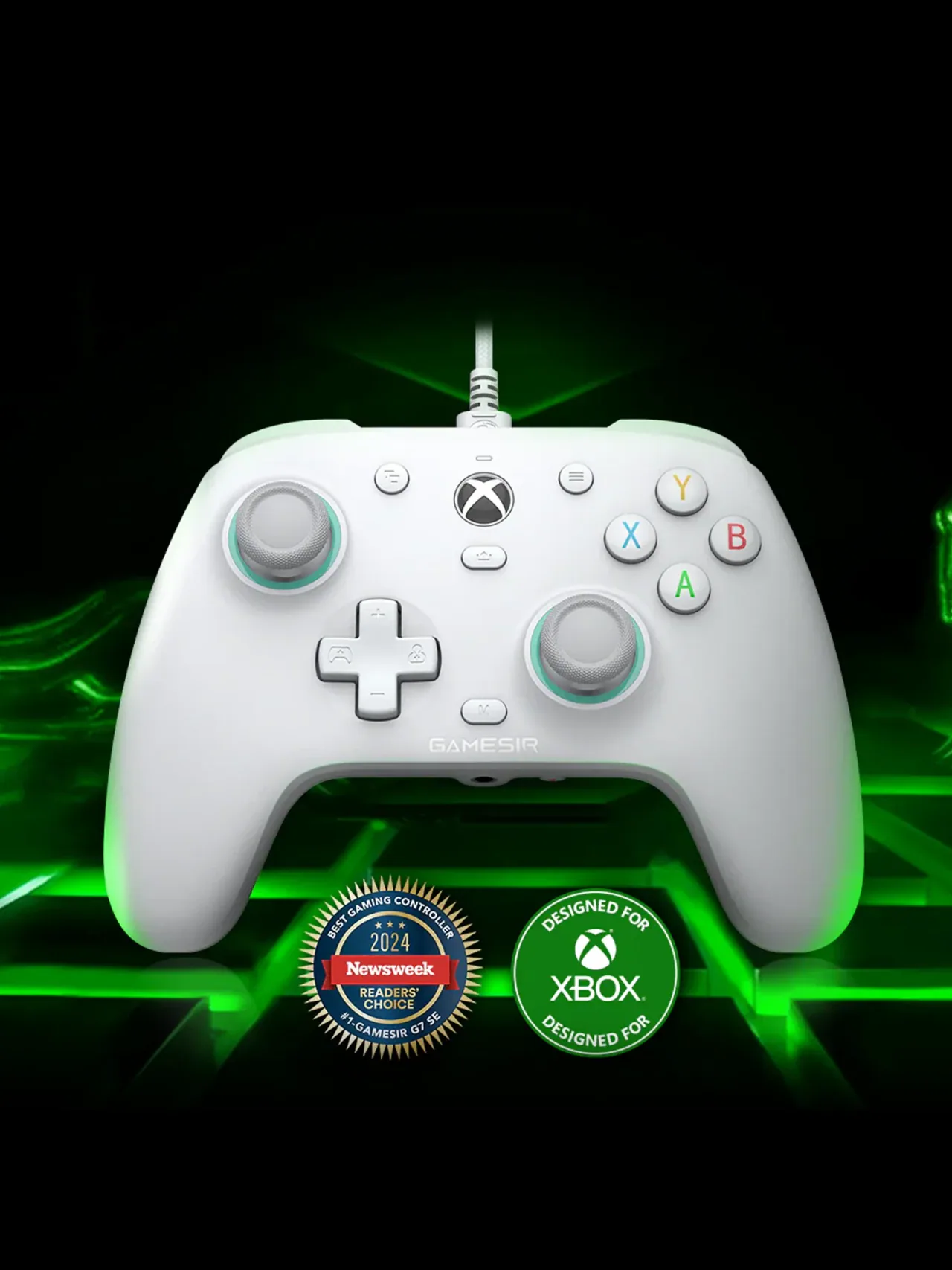
The G7 SE turns a cable into a smart trade rather than a cheap compromise. It pairs Hall-effect sticks, two rear buttons, straightforward Windows support, and useful app tuning with excellent qualitative value; couch players should still look elsewhere.
What works
- Excellent wired value
- Hall-effect sticks and two lockable rear buttons
What gives us pause
- No wireless mode
- Directional-pad diagonals and lighter plastics may bother some players
Verdict: Buy it for a desk where a cable is harmless; pass if you play from a sofa, want premium materials, or rely heavily on directional-pad diagonals.
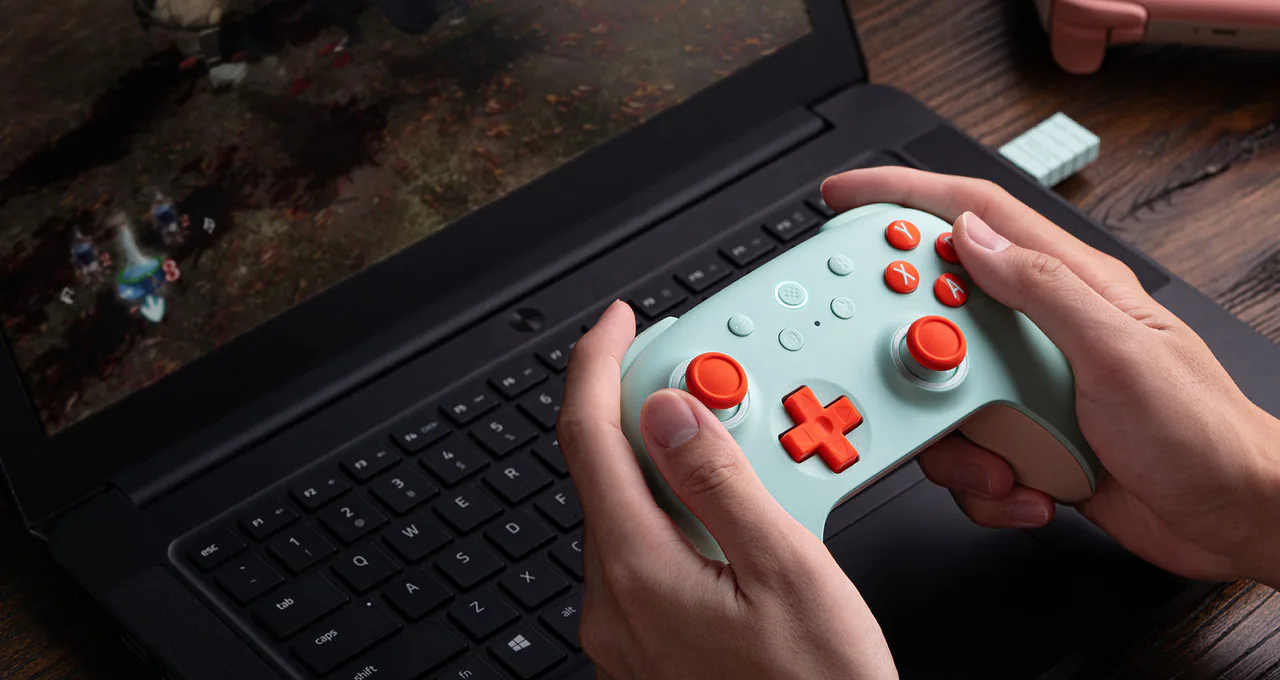
The Ultimate 2C Wireless is the budget wireless pick with the fewest excuses. Receiver play is responsive, the core buttons feel purposeful, and owner feedback is unusually solid for this tier, though the slim grip and basic customization keep it below the more complete top three.
What works
- Excellent budget-friendly wireless value
- Responsive receiver connection and Hall-effect controls
What gives us pause
- No official Windows Bluetooth path
- Slim grips and basic software limit broader fit
Verdict: Pick it for affordable receiver-based Windows play; spend more if you need rear paddles, profiles, a charging dock, or a larger grip.
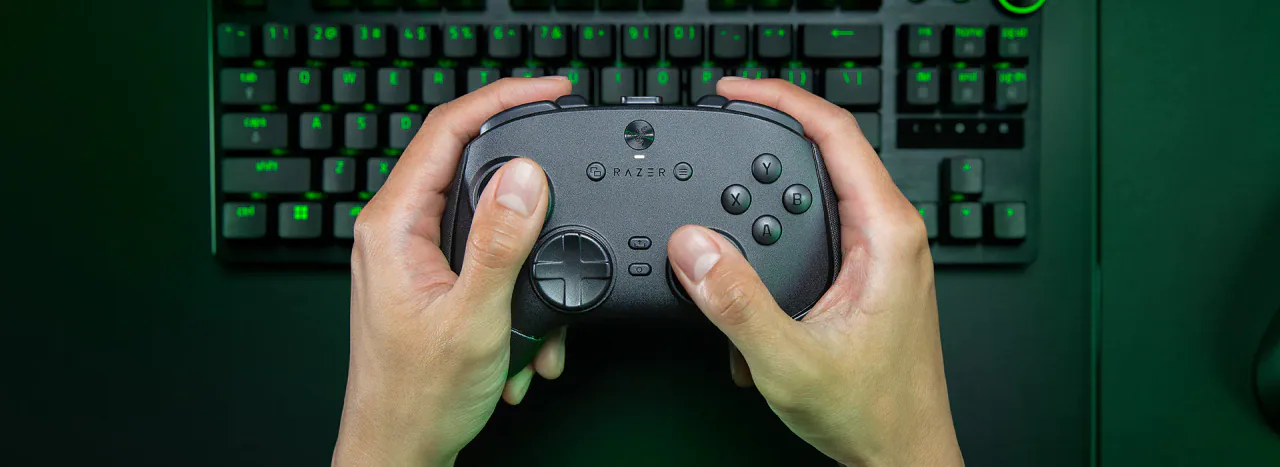
Razer's PC-only Wolverine is the strongest competitive specialist in the set. Its precise TMR sticks, tactile controls, light shell, and six extra inputs are superb for fast shooters, but missing rumble, narrow platform support, and premium pricing make it less versatile than the four controllers above it.
What works
- Exceptional input performance
- TMR sticks and six accessible extra controls
What gives us pause
- No rumble and no console support
- Premium price position narrows its value
Verdict: Choose it for serious competitive PC play; skip it if you want rumble, console use, relaxed membrane buttons, or broad value from a premium purchase.
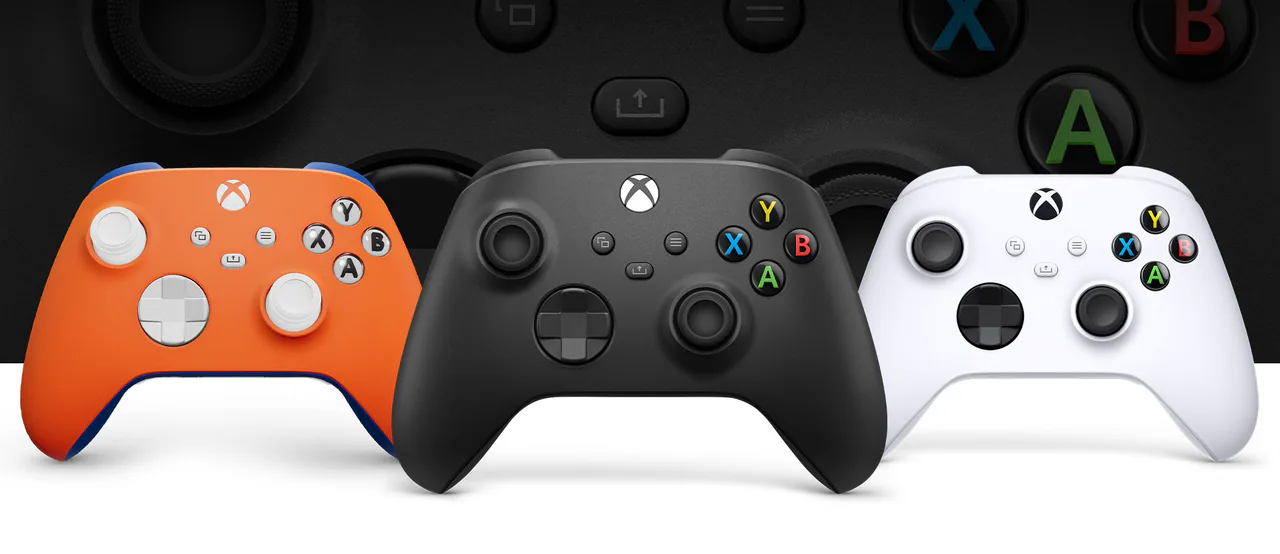
The Xbox Wireless Controller remains the safest Windows default because it asks almost nothing of the player or the game. It lands sixth because newer rivals add magnetic-sensing sticks, rear controls, and better feature value, while owner reports keep longevity in the risk column.
What works
- Excellent Windows compatibility
- Familiar ergonomics and broad game support
What gives us pause
- Conservative feature set
- Owner feedback raises stick and button longevity concerns
Verdict: Buy it when compatibility and familiarity come first; look elsewhere for magnetic-sensing sticks, rear controls, an internal battery, or stronger feature value.
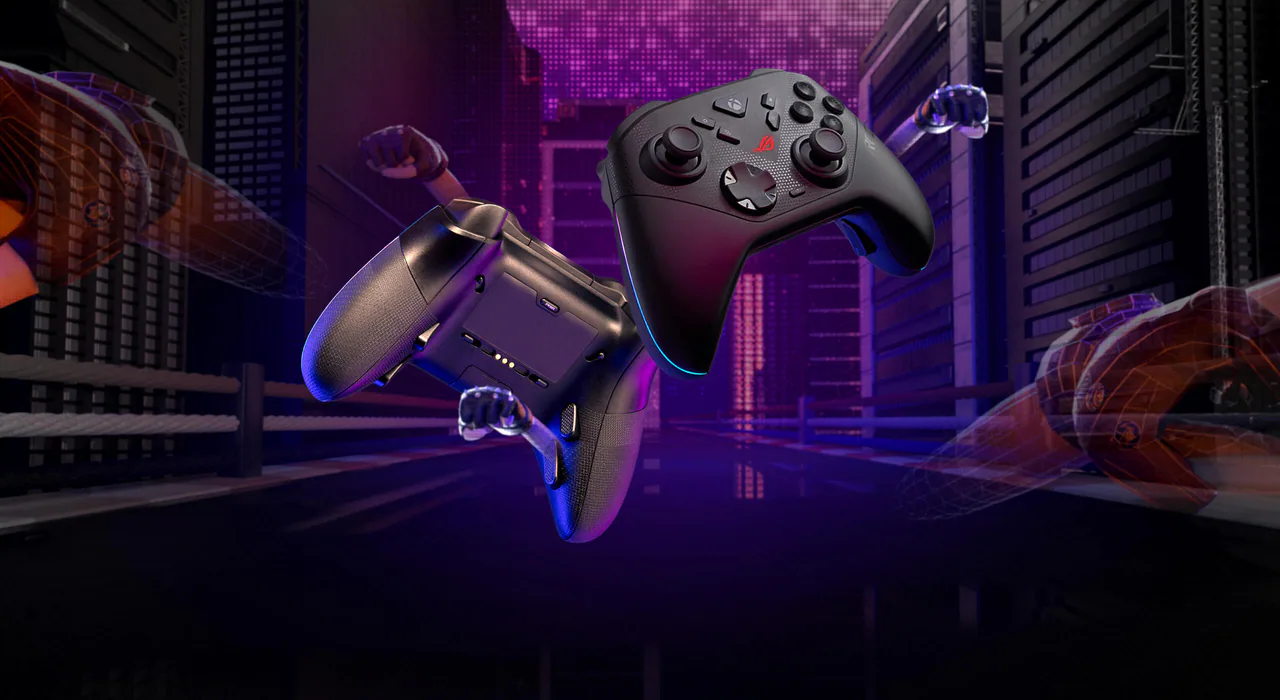
The Raikiri II has the hardware to challenge the best competitive controllers: fast connections, precise TMR inputs, four rear buttons, and a lighter shell. Software detection, profile handling, and out-of-box tuning keep this premium model from climbing higher.
What works
- Fast, precise TMR control package
- Light ergonomics and intuitive rear buttons
What gives us pause
- Software and profile management add friction
- Premium value depends on using its advanced controls
Verdict: Buy it for tactile TMR controls and fast PC play; skip it if you expect effortless profiles, soft actuation, or broad verified support beyond Xbox Series X|S.
Nacon gives customization enthusiasts nearly everything: Hall-effect controls, tactile buttons, six shortcuts, profiles, weights, a dock, and a case. That depth earns a top-ten place, but tedious setup and rear-control fit make the premium package harder to recommend broadly.
What works
- Extensive hardware and software customization
- Strong tactile controls and adaptable package
What gives us pause
- Setup and profile management can be tedious
- Large shell and rear-control placement will not suit everyone
Verdict: Choose it if profiles, weights, shortcuts, and PC-specific assignments are the point; avoid it if you want a small shell or minimal software work.
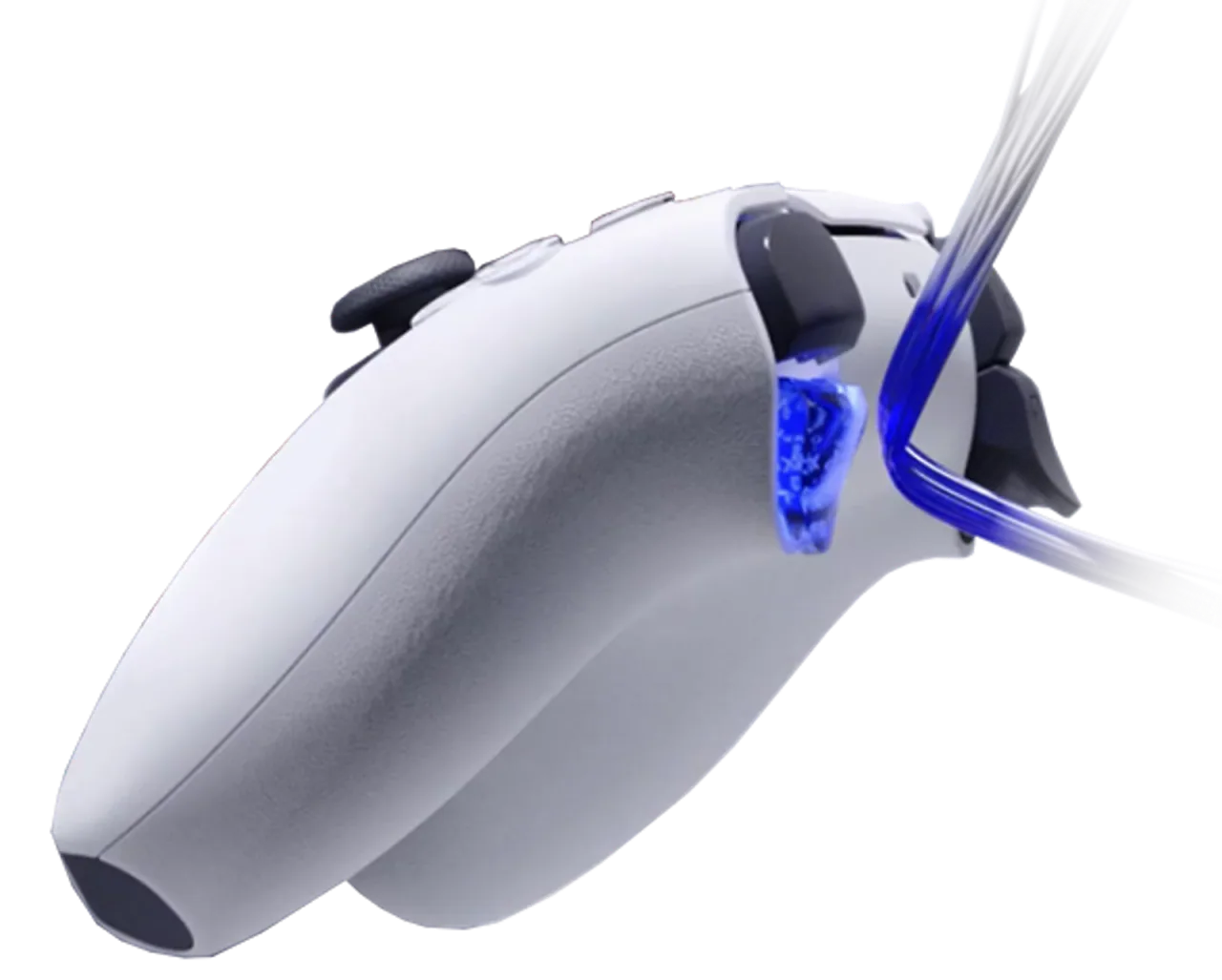
DualSense is the mainstream symmetrical choice, and supported PC games can make its haptics and adaptive triggers feel special. It ranks ninth because those benefits vary by title and connection, while battery expectations and stick longevity remain persistent owner concerns.
What works
- Excellent immersive features in supported games
- Comfortable symmetrical layout
What gives us pause
- Advanced features vary by game and connection
- Battery and stick longevity temper owner confidence
Verdict: Buy it for a PC-and-PS5 setup or supported games with haptics; skip it if you want universal wireless features and effortless XInput behavior.
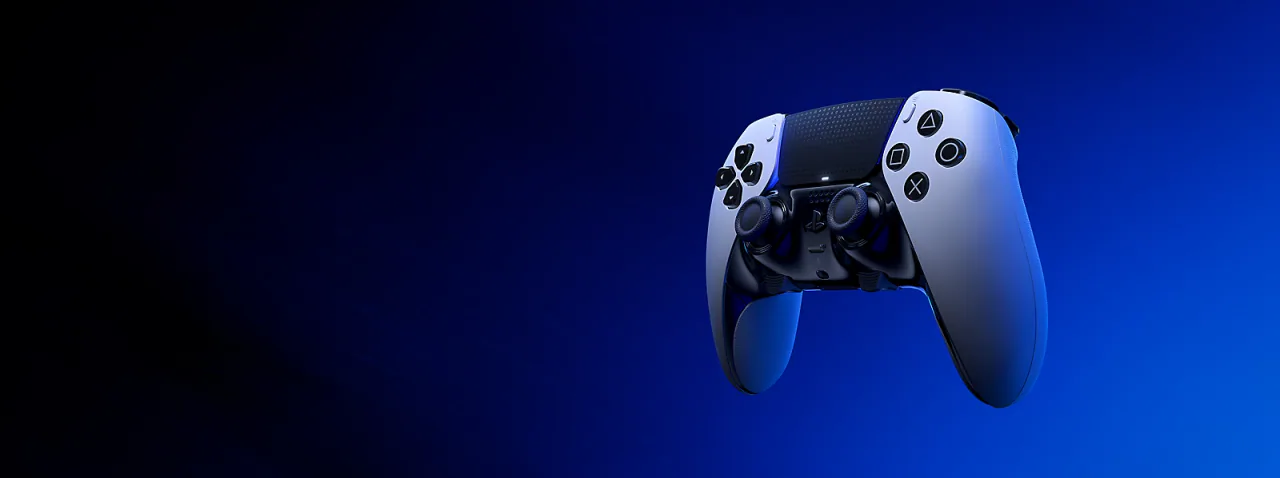
DualSense Edge is the polished premium option for players committed to Sony's symmetrical layout. Its profiles, rear-button choices, and replaceable stick modules are thoughtful, but short battery endurance, two rear inputs, and uneven PC feature support make the premium difficult to spread across a wider audience.
What works
- Refined symmetrical control feel
- Excellent profile system and replaceable stick modules
What gives us pause
- Short battery endurance
- Premium value is narrow on PC
Verdict: Choose it if PlayStation-style controls and onboard profiles justify a premium; pass if battery endurance, four rear inputs, or uniform PC features matter more.
Follow RankReason
Useful updates, not shopping noise.
Get new rankings and material recommendation changes by email. Double opt-in, no daily promotions, unsubscribe any time.
Follow the RSS feedNo email address required.