- Best for
- Windows players who want receiver wireless and a charging dock
- Skip if
- Large hands sensitive to compact grips
Latest archive copy
Tech & Gaming / Gaming Controllers
Best gaming controllers for PC gaming in 2026
Ten researched PC controller picks spanning simple Windows defaults, wired value, receiver wireless, competitive controls, symmetrical layouts, and deep customization.
Start with the shortlist
Our leading picks

- Best for
- PC players who want receiver wireless and several extra controls
- Skip if
- Players who require wireless Xbox-console use
- Best for
- Budget-conscious wired PC gaming
- Skip if
- Couch setups that require wireless
Compare the tradeoffs
Select two or three products for a shorter comparison. The link keeps your selection.
| Product | Fit or strength | Tradeoff | Score |
|---|---|---|---|
| 8BitDo Ultimate 2 Wireless Controller | Best forWindows players who want receiver wireless and a charging dock | Skip ifLarge hands sensitive to compact grips | 90/100How this score adds up
The total is the weighted sum of this guide’s criteria, rounded for display. |
| GameSir G7 Pro | Best forPC players who want receiver wireless and several extra controls | Skip ifPlayers who require wireless Xbox-console use | 89/100How this score adds up
The total is the weighted sum of this guide’s criteria, rounded for display. |
| GameSir G7 SE | Best forBudget-conscious wired PC gaming | Skip ifCouch setups that require wireless | 89/100How this score adds up
The total is the weighted sum of this guide’s criteria, rounded for display. |
| 8BitDo Ultimate 2C Wireless Controller | Best forBudget wireless Windows gaming with a USB receiver | Skip ifPlayers who need rear paddles or deep profiles | 88/100How this score adds up
The total is the weighted sum of this guide’s criteria, rounded for display. |
| Razer Wolverine V3 Pro 8K PC | Best forCompetitive PC shooters | Skip ifConsole players | 86/100How this score adds up
The total is the weighted sum of this guide’s criteria, rounded for display. |
| Xbox Wireless Controller | Best forPlug-and-play Windows gaming | Skip ifBuyers seeking magnetic-sensing sticks | 86/100How this score adds up
The total is the weighted sum of this guide’s criteria, rounded for display. |
| ASUS ROG Raikiri II Xbox Wireless Controller | Best forCompetitive PC players who want tactile controls and TMR precision | Skip ifBuyers who want software-independent profiles | 85/100How this score adds up
The total is the weighted sum of this guide’s criteria, rounded for display. |
| Nacon Revolution X Unlimited | Best forPC and Xbox players who want maximal customization | Skip ifPlayers who want minimal setup | 83/100How this score adds up
The total is the weighted sum of this guide’s criteria, rounded for display. |
| DualSense Wireless Controller | Best forPlayers who prefer symmetrical sticks | Skip ifBuyers who demand universal plug-and-play feature support | 82/100How this score adds up
The total is the weighted sum of this guide’s criteria, rounded for display. |
| Sony DualSense Edge | Best forPC players committed to symmetrical PlayStation controls | Skip ifWireless players who prioritize long battery endurance | 82/100How this score adds up
The total is the weighted sum of this guide’s criteria, rounded for display. |
How We Chose the Best Gaming Controllers
We scored every complete candidate for Windows fit, input performance by connection mode, control design, setup, owner-backed reliability, and qualitative value. Single-unit measurements stayed tied to their firmware and test conditions.
Ranking informationMethodology and scoring criteria
Why this ranking exists
We scored every complete candidate for Windows fit, input performance by connection mode, control design, setup, owner-backed reliability, and qualitative value. Single-unit measurements stayed tied to their firmware and test conditions.
How we ranked them
- PC compatibilityWindows compatibility, XInput behavior, connection options, game support, and PC-specific feature boundaries.
- Input performanceStick behavior, latency and consistency by connection mode, trigger response, and measurement confidence.
- Controls and ergonomicsControl feel, directional pad, rear inputs, trigger modes, hand fit, layout options, and useful customization hardware.
- Setup and softwareSetup friction, remapping, profiles, firmware handling, calibration, and software dependence.
- Reliability and owner confidenceOwner experience across independent channels, recurring durability or connection patterns, support context, and reporting confidence.
- Qualitative valueQualitative value based on capability, ownership friction, durability signals, included hardware, and relative price positioning.
- PC compatibility20%
- Input performance20%
- Controls and ergonomics20%
- Setup and software15%
- Reliability and owner confidence10%
- Qualitative value15%
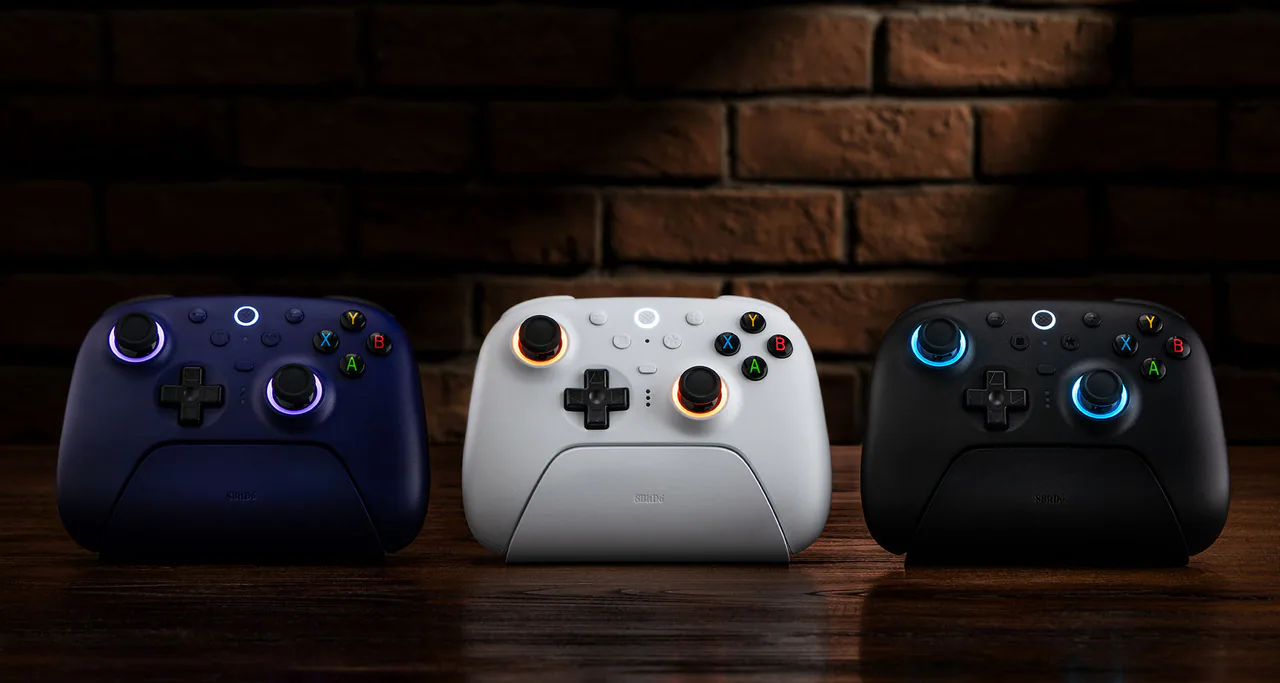
The Ultimate 2 Wireless gets the balance right for most PC players: responsive receiver play, an always-ready dock, modern sticks, and four useful extra controls. Its compact shell and occasional software friction are real compromises, but neither outweighs the breadth of its everyday package.
What works
- Responsive receiver connection and convenient dock
- TMR sticks with four extra controls
What gives us pause
- Compact shape can crowd larger hands
- Directional-pad feel and software behavior divide opinion
Verdict: Buy it for receiver-based PC play and the dock; skip it if you need official console support, Windows Bluetooth, or a roomy grip for large hands.
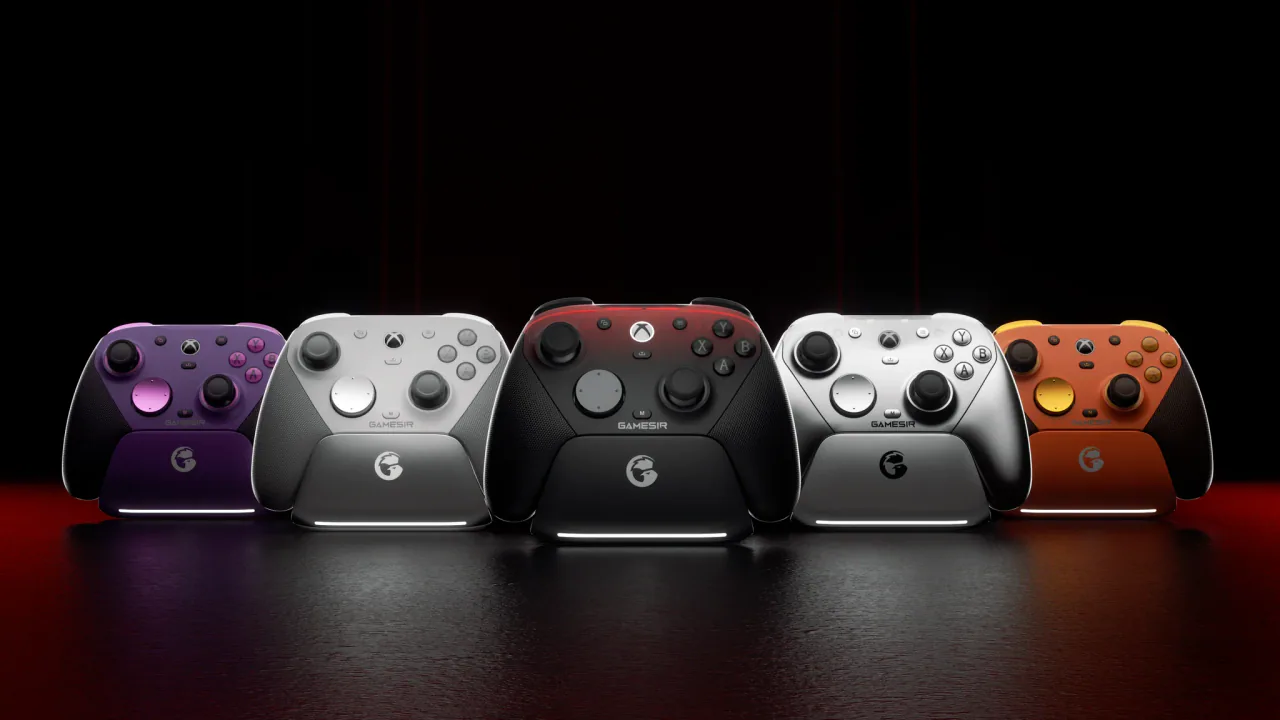
The G7 Pro is the more ambitious controller, with fast PC response, TMR sticks, short-click triggers, and a dense set of remappable inputs. It finishes just behind the 8BitDo because its connection rules and companion software demand more attention, especially in mixed PC and Xbox households.
What works
- Fast and versatile PC control package
- TMR sticks, optical buttons, and trigger modes
What gives us pause
- Connection support changes by platform
- Companion software and compact fit add friction
Verdict: Choose it when extra controls and short triggers matter more than effortless setup; avoid it for wireless Xbox play or a software-free ownership experience.
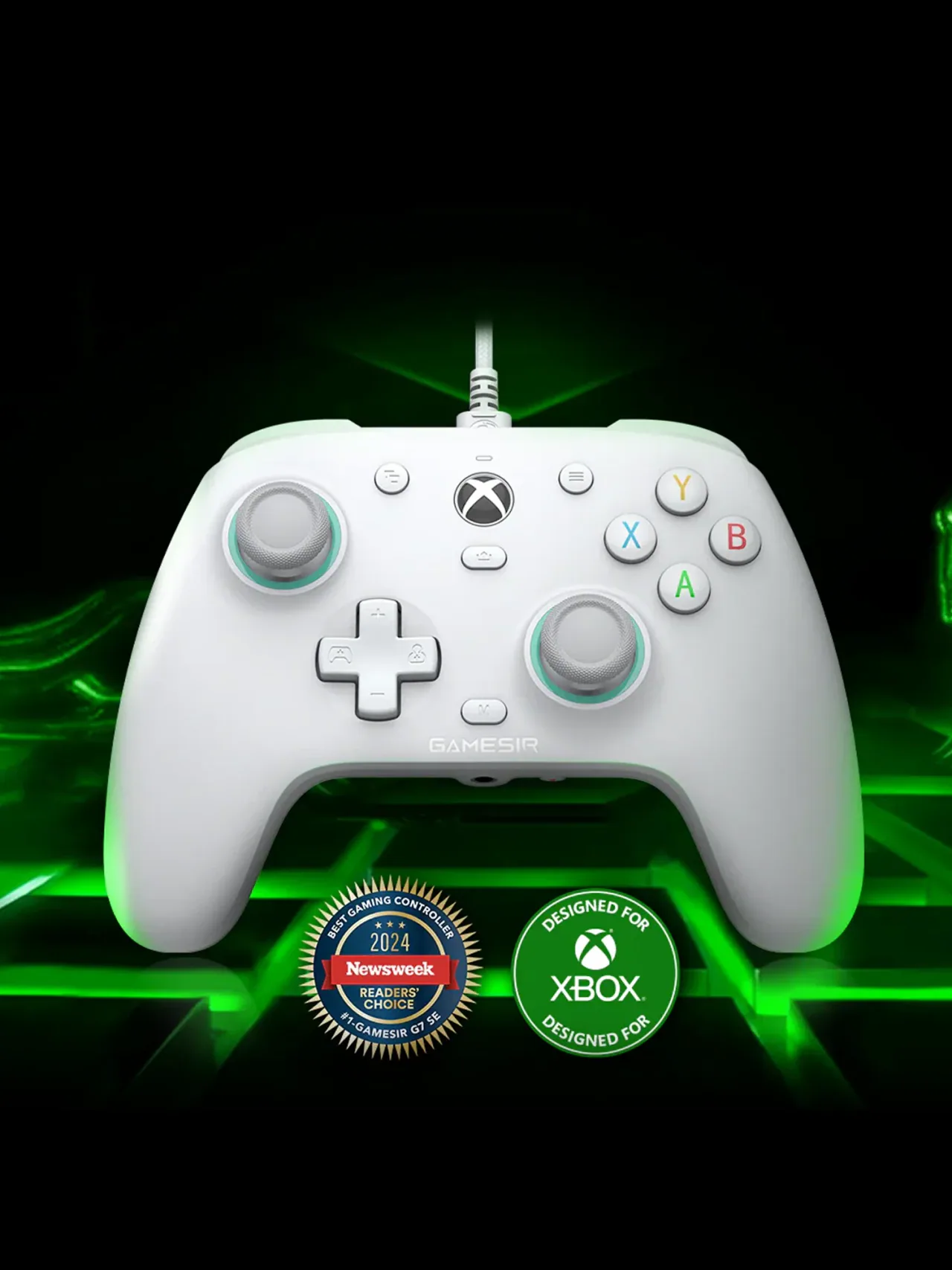
The G7 SE turns a cable into a smart trade rather than a cheap compromise. It pairs Hall-effect sticks, two rear buttons, straightforward Windows support, and useful app tuning with excellent qualitative value; couch players should still look elsewhere.
What works
- Excellent wired value
- Hall-effect sticks and two lockable rear buttons
What gives us pause
- No wireless mode
- Directional-pad diagonals and lighter plastics may bother some players
Verdict: Buy it for a desk where a cable is harmless; pass if you play from a sofa, want premium materials, or rely heavily on directional-pad diagonals.
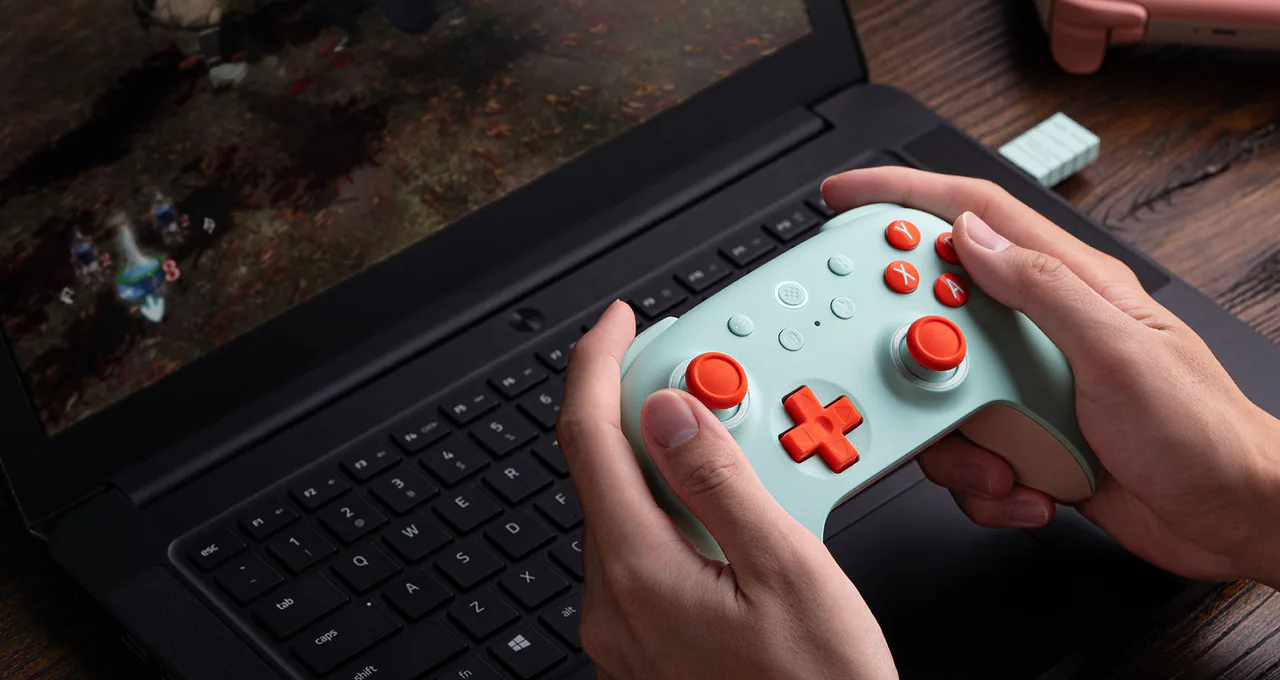
The Ultimate 2C Wireless is the budget wireless pick with the fewest excuses. Receiver play is responsive, the core buttons feel purposeful, and owner feedback is unusually solid for this tier, though the slim grip and basic customization keep it below the more complete top three.
What works
- Excellent budget-friendly wireless value
- Responsive receiver connection and Hall-effect controls
What gives us pause
- No official Windows Bluetooth path
- Slim grips and basic software limit broader fit
Verdict: Pick it for affordable receiver-based Windows play; spend more if you need rear paddles, profiles, a charging dock, or a larger grip.
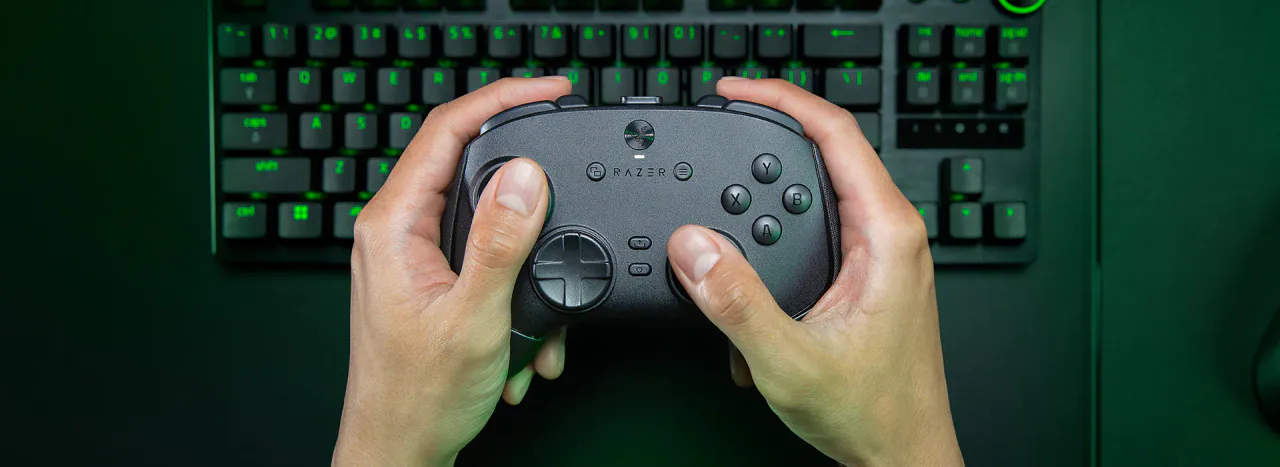
Razer's PC-only Wolverine is the strongest competitive specialist in the set. Its precise TMR sticks, tactile controls, light shell, and six extra inputs are superb for fast shooters, but missing rumble, narrow platform support, and premium pricing make it less versatile than the four controllers above it.
What works
- Exceptional input performance
- TMR sticks and six accessible extra controls
What gives us pause
- No rumble and no console support
- Premium price position narrows its value
Verdict: Choose it for serious competitive PC play; skip it if you want rumble, console use, relaxed membrane buttons, or broad value from a premium purchase.
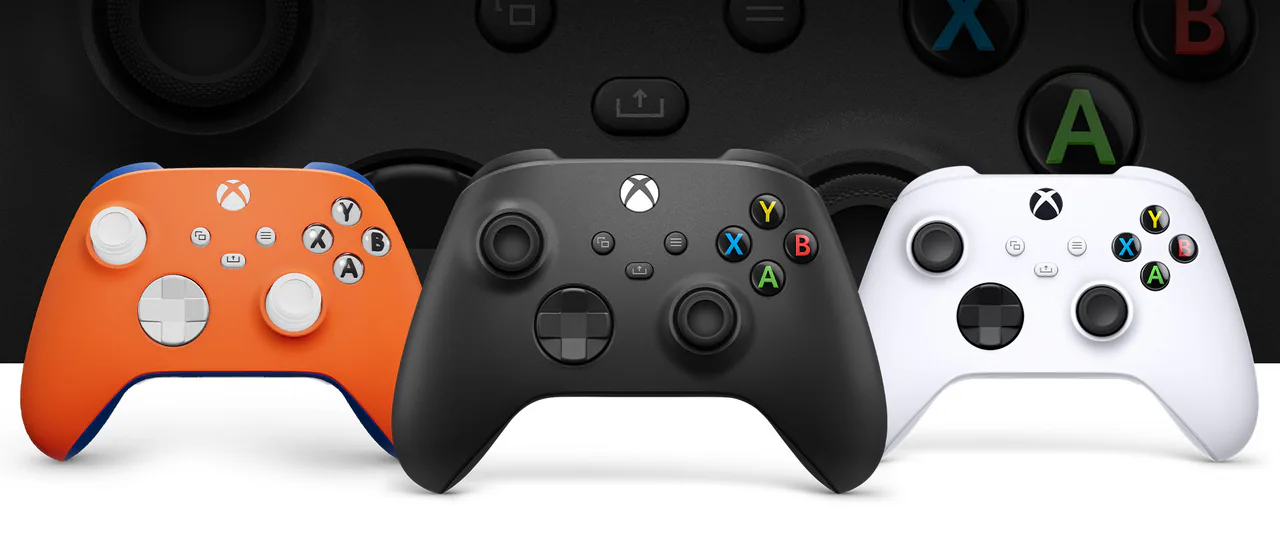
The Xbox Wireless Controller remains the safest Windows default because it asks almost nothing of the player or the game. It lands sixth because newer rivals add magnetic-sensing sticks, rear controls, and better feature value, while owner reports keep longevity in the risk column.
What works
- Excellent Windows compatibility
- Familiar ergonomics and broad game support
What gives us pause
- Conservative feature set
- Owner feedback raises stick and button longevity concerns
Verdict: Buy it when compatibility and familiarity come first; look elsewhere for magnetic-sensing sticks, rear controls, an internal battery, or stronger feature value.
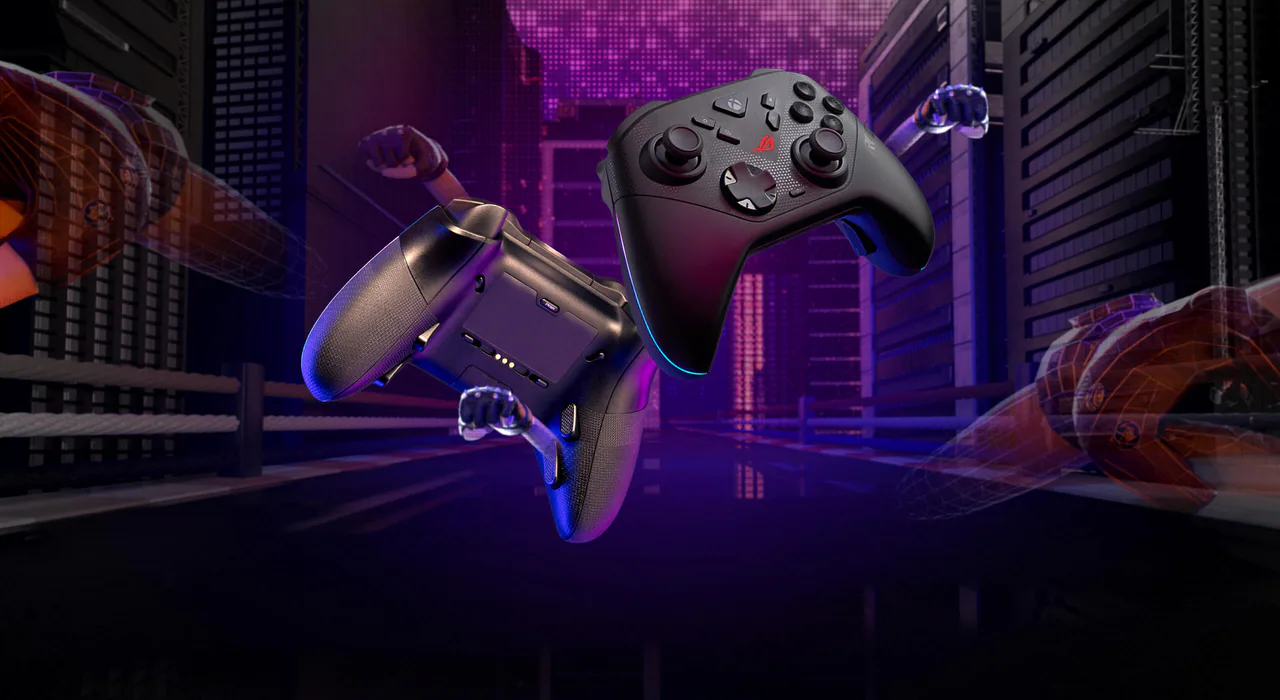
The Raikiri II has the hardware to challenge the best competitive controllers: fast connections, precise TMR inputs, four rear buttons, and a lighter shell. Software detection, profile handling, and out-of-box tuning keep this premium model from climbing higher.
What works
- Fast, precise TMR control package
- Light ergonomics and intuitive rear buttons
What gives us pause
- Software and profile management add friction
- Premium value depends on using its advanced controls
Verdict: Buy it for tactile TMR controls and fast PC play; skip it if you expect effortless profiles, soft actuation, or broad verified support beyond Xbox Series X|S.
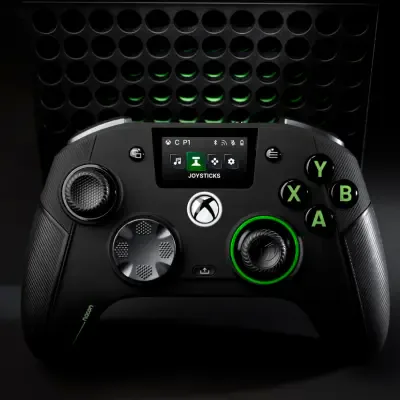
Nacon gives customization enthusiasts nearly everything: Hall-effect controls, tactile buttons, six shortcuts, profiles, weights, a dock, and a case. That depth earns a top-ten place, but tedious setup and rear-control fit make the premium package harder to recommend broadly.
What works
- Extensive hardware and software customization
- Strong tactile controls and adaptable package
What gives us pause
- Setup and profile management can be tedious
- Large shell and rear-control placement will not suit everyone
Verdict: Choose it if profiles, weights, shortcuts, and PC-specific assignments are the point; avoid it if you want a small shell or minimal software work.
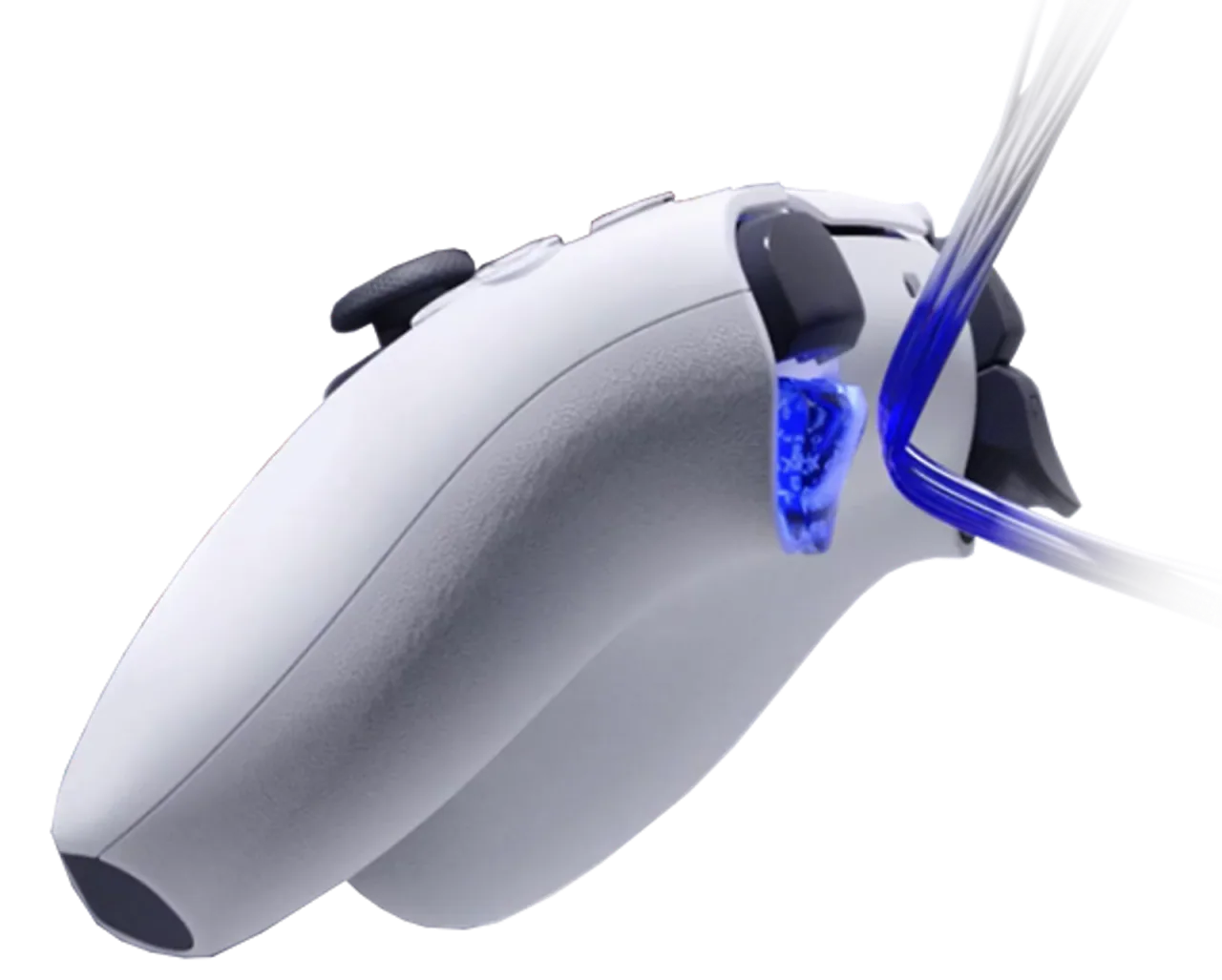
DualSense is the mainstream symmetrical choice, and supported PC games can make its haptics and adaptive triggers feel special. It ranks ninth because those benefits vary by title and connection, while battery expectations and stick longevity remain persistent owner concerns.
What works
- Excellent immersive features in supported games
- Comfortable symmetrical layout
What gives us pause
- Advanced features vary by game and connection
- Battery and stick longevity temper owner confidence
Verdict: Buy it for a PC-and-PS5 setup or supported games with haptics; skip it if you want universal wireless features and effortless XInput behavior.

DualSense Edge is the polished premium option for players committed to Sony's symmetrical layout. Its profiles, rear-button choices, and replaceable stick modules are thoughtful, but short battery endurance, two rear inputs, and uneven PC feature support make the premium difficult to spread across a wider audience.
What works
- Refined symmetrical control feel
- Excellent profile system and replaceable stick modules
What gives us pause
- Short battery endurance
- Premium value is narrow on PC
Verdict: Choose it if PlayStation-style controls and onboard profiles justify a premium; pass if battery endurance, four rear inputs, or uniform PC features matter more.
Follow RankReason
Useful updates, not shopping noise.
Get new rankings and material recommendation changes by email. Double opt-in, no daily promotions, unsubscribe any time.
Follow the RSS feedNo email address required.