Ecosystem and library
Game library breadth, exclusives, subscriptions, compatibility, and platform longevity for the intended buyer.
Product-class guide
Compare the best handheld game consoles for game libraries, local performance, display quality, battery life, software friction, support, and buyer-fit tradeoffs.
Game library breadth, exclusives, subscriptions, compatibility, and platform longevity for the intended buyer.
Local performance, graphics headroom, emulation or PC-game capability, and how well the hardware fits its lane.
Screen quality, refresh behavior, controls, haptics, input flexibility, speakers, and long-session comfort.
Battery capacity and real-world expectations, thermals, fan behavior, size, weight, and travel comfort.
Setup friction, suspend and resume, launchers, updates, family simplicity, and lawful setup caveats for retro devices.
Official manuals, warranty resources, firmware or driver maintenance, model clarity, and current-product confidence.
Owner themes from non-marketplace communities, retailers, and support channels, weighted by channel depth and agreement.
How clearly the device earns its place for a real buyer segment without live price or availability assumptions.
RankReason compares SteamOS, Nintendo, Windows, streaming, and retro handhelds by library fit, performance, display quality, battery life, software friction, and real buyer tradeoffs.
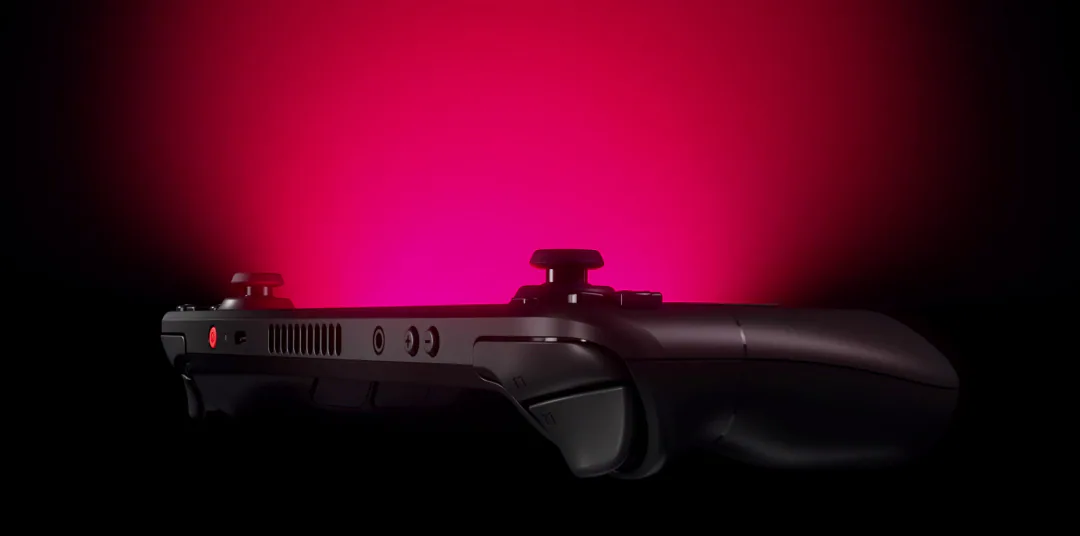
Valve's May 2026 pricing update turns the Steam Deck OLED from the easy value pick into a harder call: same SteamOS strengths, much steeper official US prices.
Analogue Pocket is the specialist cartridge-preservation pick, built for Game Boy-family collectors and FPGA-minded retro players rather than broad Android or PC game compatibility.
A compact Linux clamshell inspired by the Game Boy Advance SP, with a 3.5-inch 640x480 display, H700 processor, dual microSD slots, Wi-Fi, controller support, video output, and a lid that protects the controls and screen in a pocket or bag.
ASUS ROG Ally X remains the established Windows-handheld benchmark, combining an 80Wh battery, VRR display, broad launcher support, and better ergonomics than many first-generation rivals.
ASUS ROG Xbox Ally X is the premium Windows handheld for Game Pass and multi-store PC players who want stronger local performance, comfortable Xbox-style controls, and broad launcher compatibility.
A large Android gaming handheld built around a vivid 7-inch 120Hz AMOLED screen, capable Snapdragon hardware, and an 8000mAh battery. It is best treated as a portable sofa-and-travel console rather than a pocket handheld.
Lenovo Legion Go 2 is the big-screen versatility pick: an 8.8-inch OLED Windows handheld with detachable controllers and kickstand modes for buyers who value flexible play over minimum size.
Lenovo Legion Go S Powered by SteamOS is the most compelling Steam Deck challenger for buyers who want SteamOS usability with an 8-inch VRR display and Z1 Extreme hardware.
MSI Claw 8 AI+ is the strongest Intel-based contender in this group, with a larger 8-inch VRR display, 80Wh battery, modern connectivity, and enough performance credibility to challenge AMD handhelds.
Nintendo Switch 2 is the best mainstream family handheld when Nintendo games, local multiplayer, and TV-to-handheld flexibility matter more than PC storefront breadth or raw hardware tuning.
PlayStation Portal Remote Player is a narrow but useful pick for PS5 households that want a comfortable second-screen device with a large display and DualSense-style controls.
Retroid Pocket 5 is the compact Android/retro pick for enthusiasts who want an AMOLED handheld with mature community guidance and enough power for a wide range of lawful retro libraries.
A compact high-performance Android handheld with a 5.5-inch 120Hz AMOLED display, Snapdragon 8 Gen 2 processor, active cooling, and a choice of D-pad-first or stick-first layouts.
Valve Steam Deck OLED is the safest all-around PC handheld for most Steam-first players, pairing the most polished SteamOS experience with a better screen, battery, thermals, and support ecosystem than the original LCD model.
Follow RankReason
Get new rankings and material recommendation changes by email. Double opt-in, no daily promotions, unsubscribe any time.
Follow the RSS feedNo email address required.