 Valve
Valve Latest archive copy
Tech & Gaming / Handheld Game Consoles
Best Handheld Game Consoles for May 2026
RankReason compares SteamOS, Nintendo, Windows, streaming, and retro handhelds by library fit, performance, display quality, battery life, software friction, and real buyer tradeoffs.
How We Chose the Best Handheld Game Consoles
RankReason scored each researched handheld across ecosystem fit, local performance, display and controls, battery and portability, software usability, support confidence, owner themes, and segment fit. Official specifications and independent reviews carried the most weight, while owner/community themes shaped usability and reliability confidence when multiple signals pointed the same way.
Ranking information Methodology and scoring criteria
Why this ranking exists
RankReason scored each researched handheld across ecosystem fit, local performance, display and controls, battery and portability, software usability, support confidence, owner themes, and segment fit. Official specifications and independent reviews carried the most weight, while owner/community themes shaped usability and reliability confidence when multiple signals pointed the same way.
How we ranked them
- Ecosystem and library Game library/storefront breadth, exclusive games, subscription fit, compatibility constraints, and platform longevity.
- Handheld performance Local performance, graphics/display-output headroom, emulation or PC-game capability, and how well the hardware fits its intended lane.
- Display and controls Screen size/quality/refresh, controls, haptics, input flexibility, speakers, and comfort.
- Battery and portability Battery capacity/range, thermals, fan noise, size, weight, and travel comfort.
- Software usability OS friction, suspend/resume, setup burden, parental/family simplicity, updates, launchers, and legal setup caveats for retro devices.
- Support confidence Official manuals/support, warranty resources, firmware/driver maintenance, model identity confidence, and current-product confidence.
- Owner sentiment Aggregate non-marketplace owner themes, weighted by channel diversity and agreement. Single-community sentiment is treated as directional.
- Segment value fit How clearly the product earns its place for a real buyer segment without live price or availability assumptions.
- Ecosystem and library18%
- Handheld performance18%
- Display and controls15%
- Battery and portability14%
- Software usability14%
- Support confidence9%
- Owner sentiment7%
- Segment value fit5%
Ranked product lineup
Decision table Best-fit and skip-if notes
Pick Best fit Skip if Score
#1
Valve
Valve Steam Deck OLED
Steam-first PC gamers who want console-like handheld play
Buyers needing every Windows launcher or anti-cheat title
91/100
#2
Nintendo
Nintendo Switch 2
Families and Nintendo-first households
PC library, mods, or Windows launchers
90/100
#3
ASUS ROG
ASUS ROG Xbox Ally X
Game Pass and multi-store PC players
Buyers expecting a true plug-and-play Xbox console
88/100
#4
ASUS ROG
ASUS ROG Ally X
Windows PC gamers using Steam, Game Pass, Epic, GOG, or mods
Steam-only buyers wanting the easiest setup
86/100
#5
MSI
MSI Claw 8 AI+
Windows handheld buyers wanting an 8-inch display and modern connectivity
OLED/HDR shoppers
84/100
#6
Lenovo
Lenovo Legion Go 2
Buyers wanting the biggest OLED screen in a PC handheld
Small-bag commuters
83/100
Steam-first buyers wanting a larger 8-inch VRR screen
Non-Steam storefront-heavy players
82/100
#8
Sony Interactive Entertainment
PlayStation Portal Remote Player
PS5 owners who want couch, bed, or second-screen play
Travel-first buyers without reliable network conditions
78/100
#9
Retroid
Retroid Pocket 5
Retro enthusiasts wanting a polished compact Android handheld
High-end Android emulation at maximum settings
77/100
#10
Analogue
Analogue Pocket
Game Boy, Game Boy Color, and GBA cartridge collectors
Budget ROM-emulation shoppers
75/100
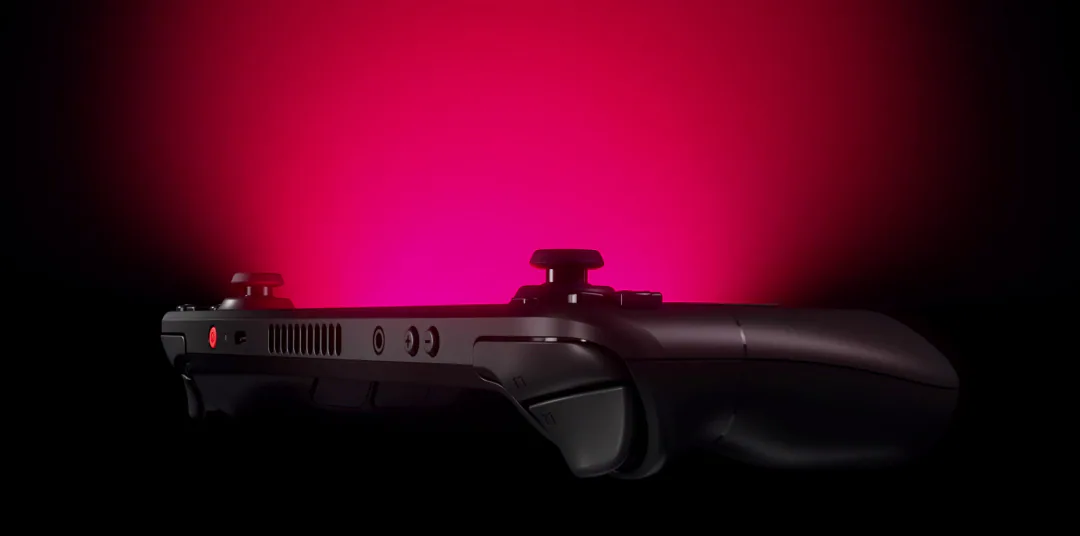
Ranked first because it is the safest all-around PC-handheld recommendation: SteamOS keeps setup simple, the OLED model fixes the screen/battery/thermal feel of the original, and independent reviews consistently frame it as the most polished Steam-first handheld rather than the fastest box on paper.
What works
- SteamOS, suspend/resume, and verified/playable library guidance make it easier to live with than most Windows handhelds.
- The OLED revision improves the screen, battery experience, wireless, thermals, and controls in ways owners feel every session.
What gives us pause
- It is not a raw-speed upgrade for buyers chasing the newest AAA games at high settings.
- Compatibility remains imperfect for some non-Steam launchers, anti-cheat titles, and Windows-first workflows.
Verdict: Choose it if your library is mostly Steam and you value fewer setup chores more than peak Windows-handheld performance. It is the safest all-around recommendation for this category.

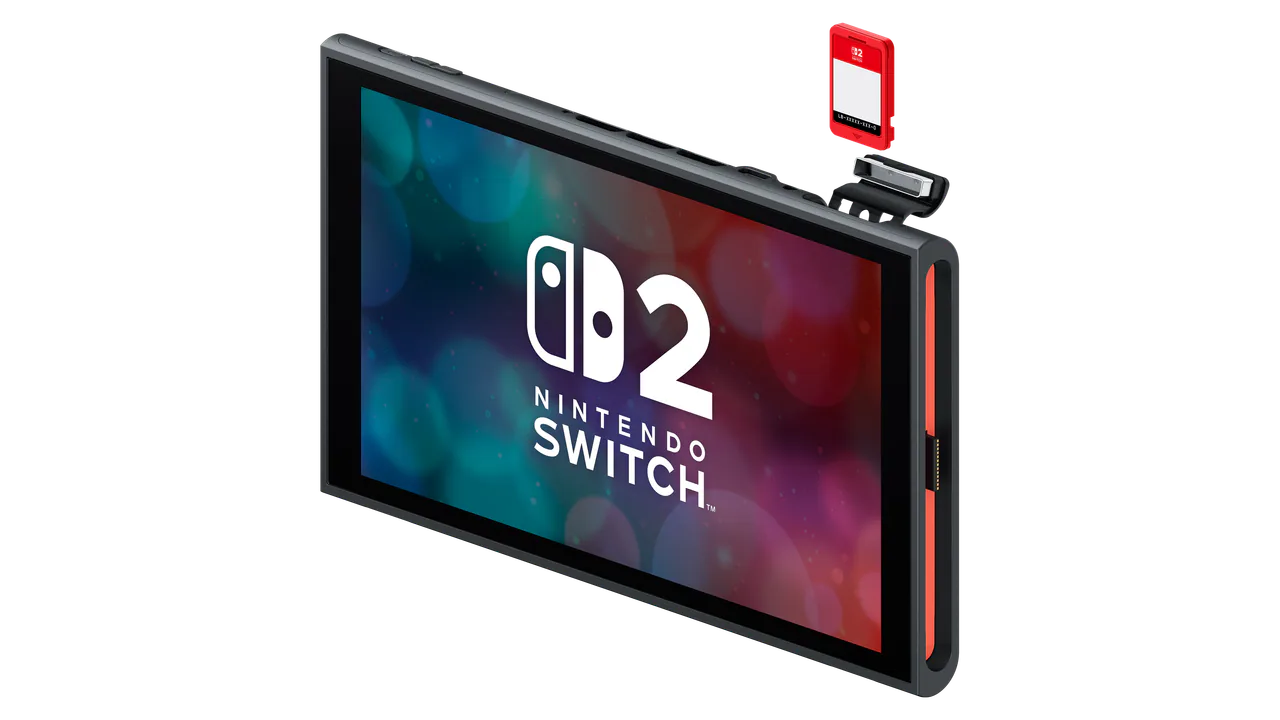
Ranked second as the best mainstream family console rather than the best PC handheld. Its Nintendo library, local multiplayer, docked/handheld flexibility, parental simplicity, and Switch compatibility make it the default for Nintendo-first households, while battery life and LCD display choice keep it just below Steam Deck OLED overall.
What works
- Nintendo exclusives, local multiplayer, and hybrid docked/handheld play make it the easiest mainstream family pick.
- The 7.9-inch 1080p handheld screen, 4K dock output, and Switch compatibility modernize the original Switch formula.
What gives us pause
- Demanding games can shorten unplugged sessions, so it is not the battery leader in this field.
- The LCD panel is sharp, but OLED-first shoppers may still prefer the Steam Deck OLED display experience.
Verdict: Buy Switch 2 for Nintendo games, local multiplayer, and family simplicity. Skip it if your priority is PC library access or the most flexible handheld hardware.

Ranked third as the strongest premium Windows/Xbox handheld. It combines Ryzen AI Z2 Extreme hardware, 24GB memory, an 80Wh battery, broad PC storefront access, and better controller-first Xbox software than older Windows handhelds, but Windows still stops it from feeling as effortless as SteamOS or Nintendo.
What works
- Ryzen AI Z2 Extreme hardware, 24GB memory, and an 80Wh battery give it the strongest premium Windows-handheld profile here.
- Xbox-style grips and the controller-first software layer make it friendlier than older Windows handheld designs.
What gives us pause
- Windows still asks for more tolerance than SteamOS or Nintendo when updates, launchers, and settings get involved.
- The premium positioning makes it harder to recommend for shoppers who do not need top local PC performance.
Verdict: Pick it when Game Pass, Windows compatibility, and high local performance matter most. Steam-first and plug-and-play shoppers are still better served by simpler platforms.
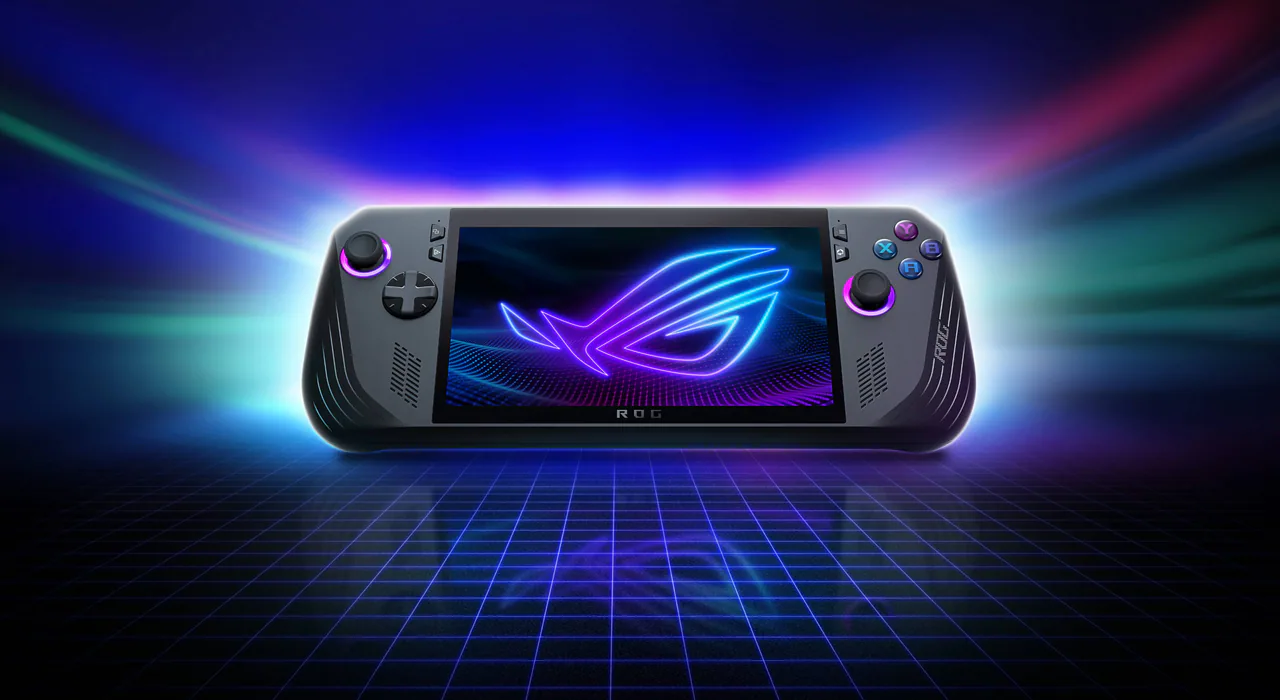
Ranked fourth as the established Windows value/performance benchmark. The 80Wh battery, VRR display, 24GB memory, stronger ergonomics, and broad launcher support still make it easier to recommend than many Windows handhelds, though the newer Xbox Ally X and large-screen models now outshine it in specific premium lanes.
What works
- Broad Windows launcher support makes it a strong fit for Steam, Game Pass, Epic, GOG, mods, and mixed PC libraries.
- The 80Wh battery, 120Hz VRR display, stronger cooling, and improved grips address many first-generation Windows-handheld complaints.
What gives us pause
- Windows setup, updates, and sleep/wake behavior still make it less console-like than SteamOS or Nintendo.
- The LCD panel is smooth, but OLED-first shoppers have better display-led options.
Verdict: Choose ROG Ally X if you want a proven Windows handheld with strong battery life and broad PC compatibility. Skip it if you mostly play Steam games and want the least setup friction.
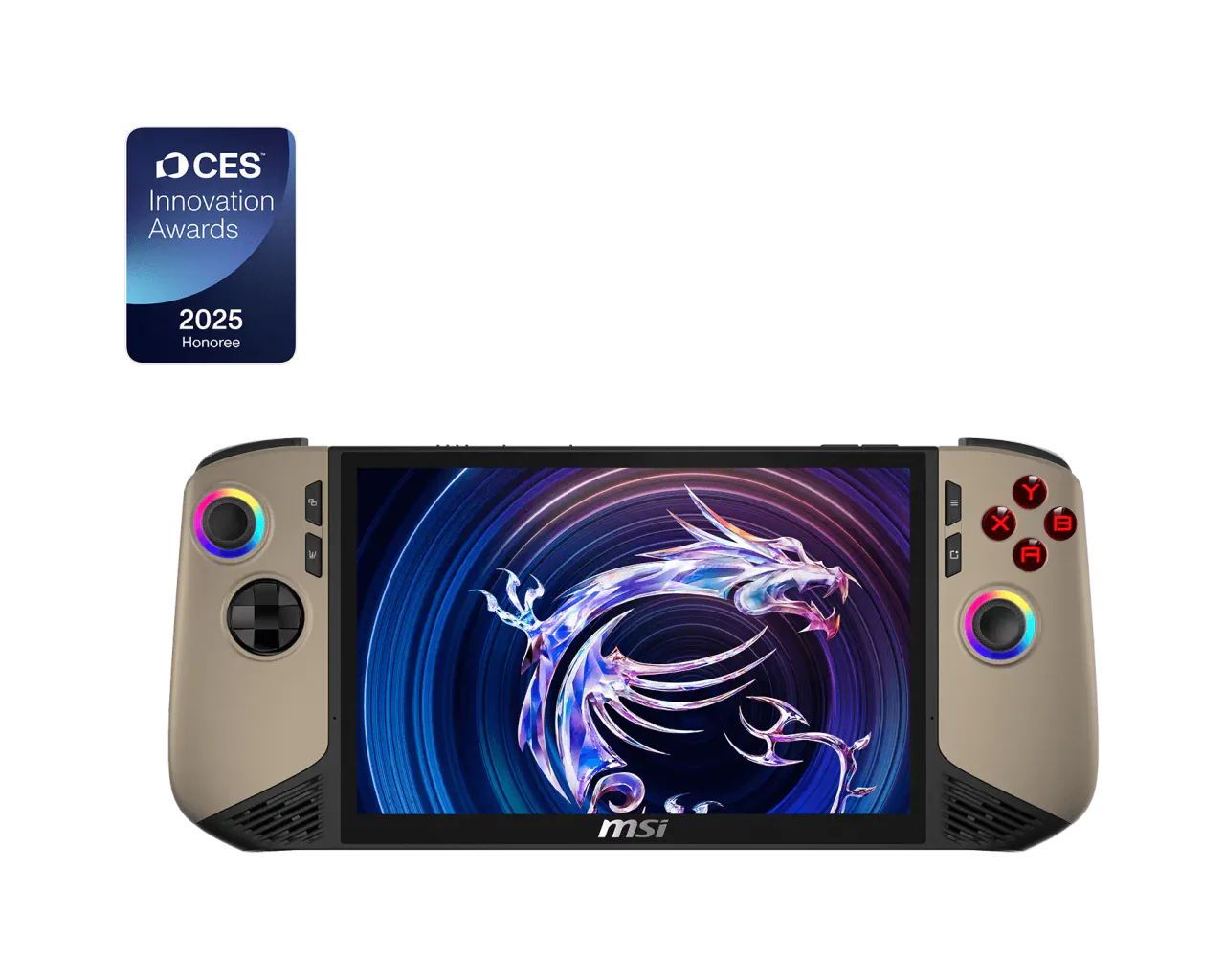
Ranked fifth because MSI finally has a credible premium handheld: strong Intel Lunar Lake performance, 32GB memory, 80Wh battery, an 8-inch 120Hz VRR display, dual Thunderbolt 4, and Wi-Fi 7. It is a serious Windows alternative, but no touchpad, IPS-not-OLED display, and MSI Center/Windows quirks keep it behind the ROG leaders.
What works
- The 8-inch 120Hz VRR display, 80Wh battery, and 32GB memory give it a serious Windows-handheld foundation.
- Dual Thunderbolt 4 and Wi-Fi 7 make it especially appealing for buyers who care about docking and modern connectivity.
What gives us pause
- There is no touchpad, which matters when Windows navigation gets fiddly.
- Windows and MSI Center quirks remain part of the ownership bargain.
Verdict: Pick the Claw 8 AI+ if you want a modern, large-screen Windows handheld with strong connectivity. It is less compelling for OLED shoppers or anyone who depends on touchpad-style control.
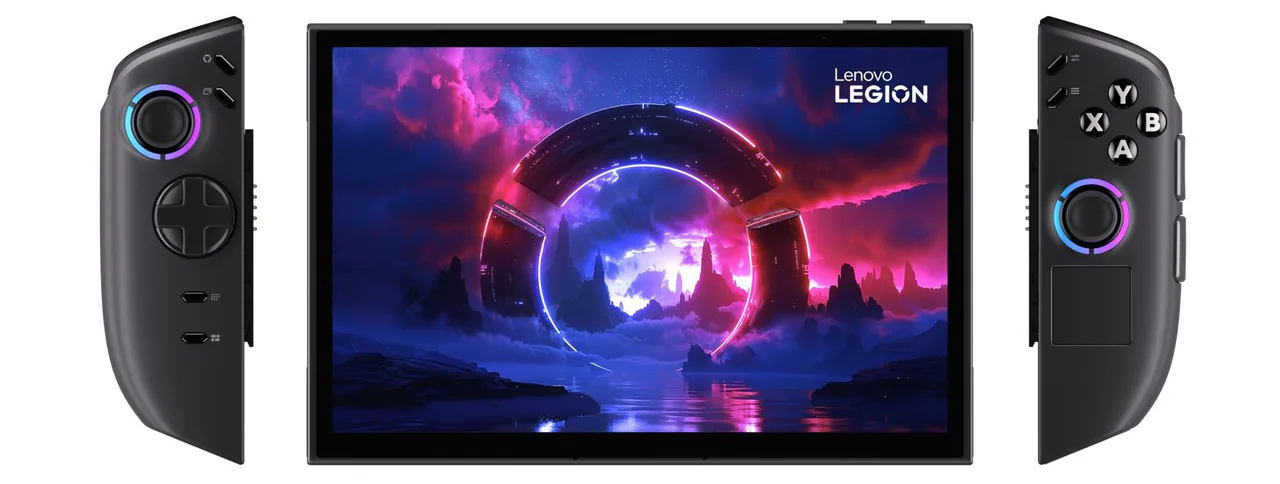
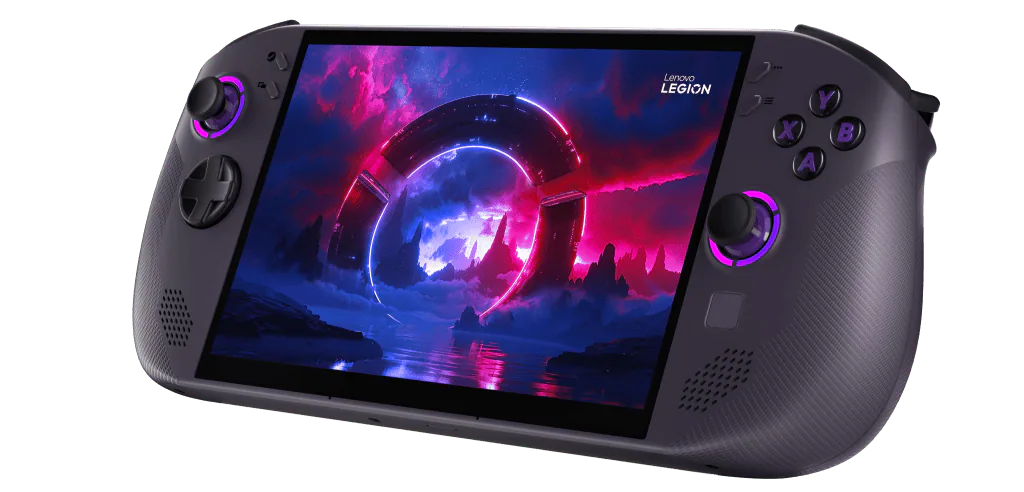
Ranked sixth for shoppers who want the biggest, most versatile PC handheld more than the easiest one. The 8.8-inch OLED, detachable controllers, kickstand, and Z2 Extreme configuration are uniquely flexible, but bulk, cost, Windows sleep/reliability friction, and SKU-status caution make it a specialist premium pick.
What works
- The 8.8-inch OLED VRR display is the clearest reason to choose it over smaller PC handhelds.
- Detachable controllers and a kickstand make it useful for tabletop play, external-display setups, and mini-PC-style use.
What gives us pause
- It is big and heavy, so long handheld sessions and small-bag travel are less natural fits.
- Windows rough edges still undercut the console-like simplicity of SteamOS and Nintendo devices.
Verdict: Buy Legion Go 2 for the biggest PC-handheld screen and flexible play modes. Choose a simpler one-piece handheld if portability, value, or low-friction software matters more.
Ranked seventh as the most interesting SteamOS challenger. It offers a larger 8-inch 120Hz/VRR screen and Z1 Extreme hardware while keeping SteamOS usability, but a smaller 55.5Wh battery, lighter review depth, and current-SKU caution leave Steam Deck OLED as the steadier Steam-first pick.
What works
- SteamOS gives it a cleaner handheld experience than typical Windows devices.
- The 8-inch 120Hz VRR display and Z1 Extreme configuration make it attractive for Steam-first players who want a larger, performance-oriented setup.
What gives us pause
- The 55.5Wh battery is modest next to 80Wh Windows rivals.
- The available review depth is lighter than for the Steam Deck OLED or ROG Ally X.
Verdict: Choose it if you want SteamOS with a larger VRR display and can accept battery tradeoffs. Steam Deck OLED is still the steadier default for most Steam-first buyers.
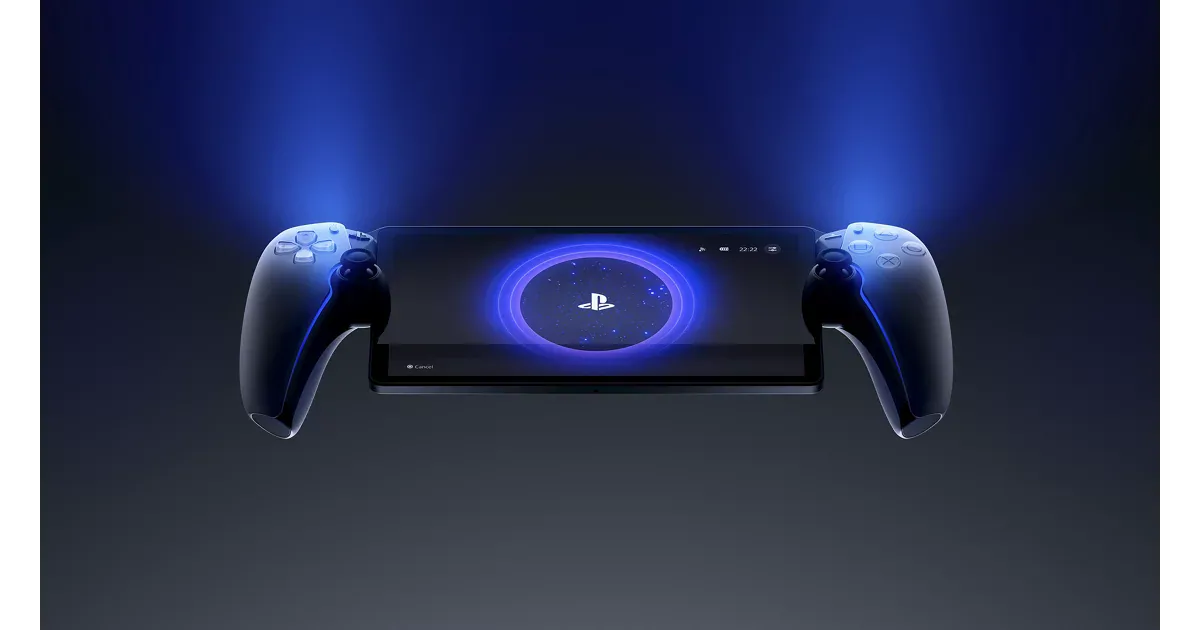
Ranked eighth because it is excellent at one job: giving PS5 owners a comfortable second-screen handheld. The screen and DualSense-style controls beat phone-controller setups, but it is not a standalone console, and network/host-console conditions define the experience.
What works
- It is a clear fit for PS5 owners who want couch, bed, or shared-TV play around the house.
- The large screen and DualSense-style controls are more comfortable and cohesive than many phone-based remote-play setups.
What gives us pause
- It does not run local games, so it cannot replace a Switch, Steam Deck, or PC handheld.
- Network quality, router behavior, and the PS5's state heavily shape the experience.
Verdict: Buy it as a PS5 companion, not as a general handheld console. It makes sense for shared-TV homes and much less sense for travel-first or standalone-play buyers.
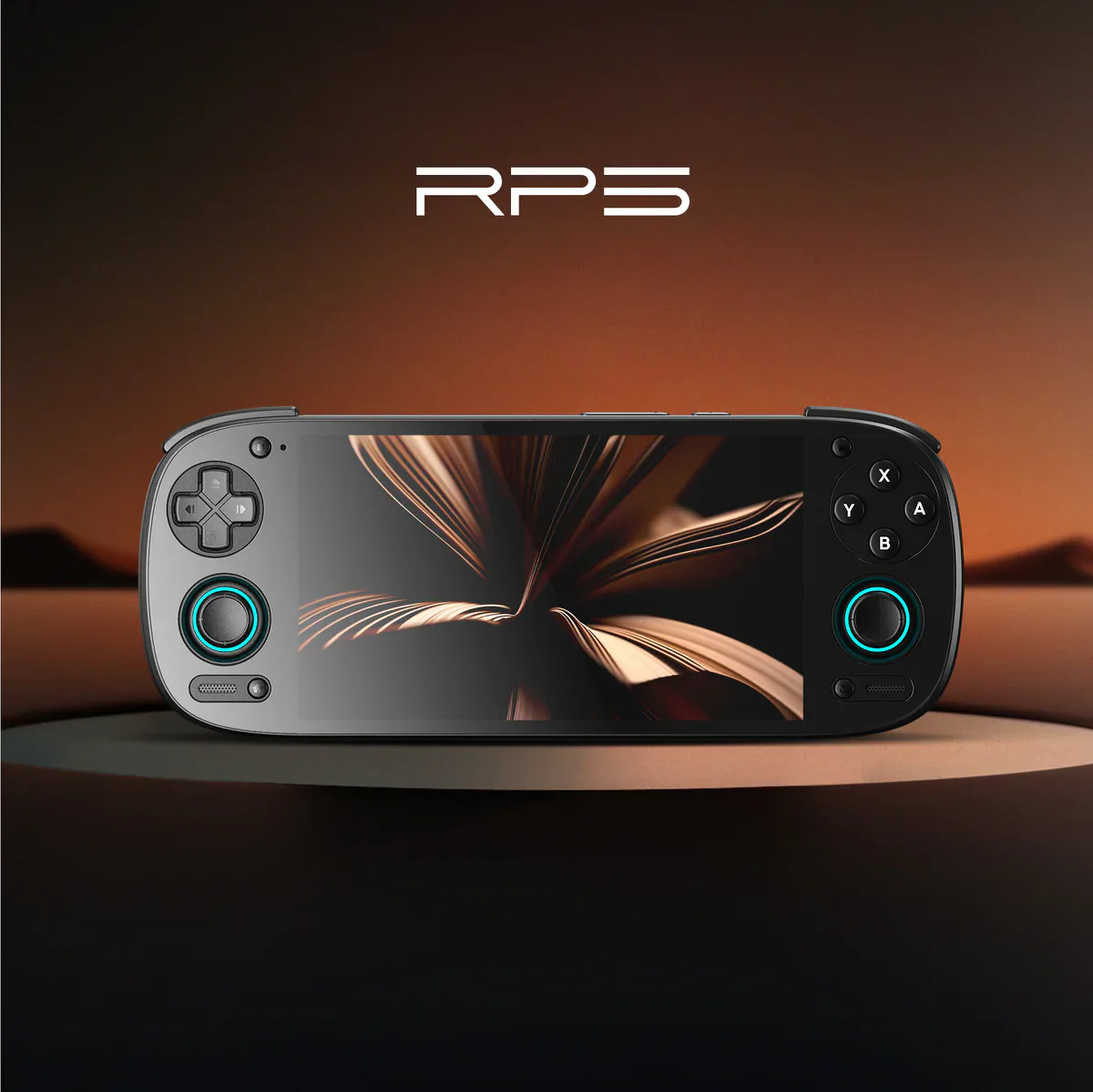
Ranked ninth as the safest compact Android/retro pick. It lacks the raw upside of newer Retroid or AYN hardware, but the AMOLED screen, mature community guidance, strong owner enthusiasm, and compact performance-per-dollar profile make it the better default than early-batch alternatives.
What works
- The AMOLED screen, controls, and active cooling make it feel polished for a compact retro handheld.
- Community guidance is mature enough to help enthusiasts get more from Android, emulators, and front ends.
What gives us pause
- Newer Retroid and AYN hardware has more raw upside for demanding Android and 3D emulation.
- Setup, emulator configuration, and lawful game sourcing are still part of the experience.
Verdict: Pick Retroid Pocket 5 if you are comfortable setting up a compact Android retro handheld. It is not the right first choice for families or buyers who want games ready out of the box.
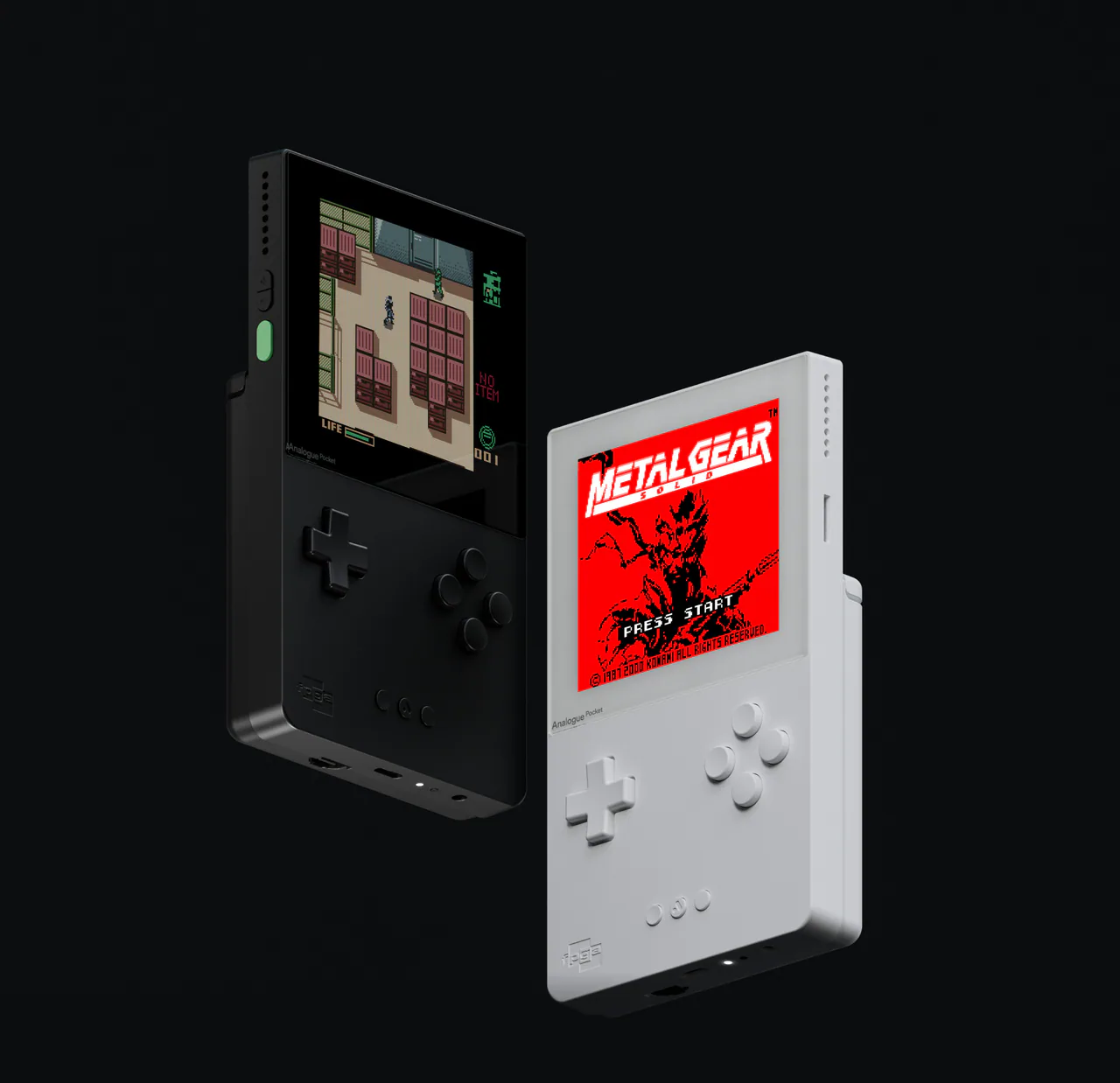
Ranked tenth as the specialist preservation pick. It is not a general-purpose emulation handheld, but original-cartridge support, FPGA positioning, a superb high-resolution display, and a distinct collector use case earn it a ranked slot over broader but less distinctive alternatives.
What works
- It is the clearest fit for Game Boy, Game Boy Color, and Game Boy Advance cartridge collectors.
- The high-resolution display and premium hardware make classic handheld games look and feel unusually refined.
What gives us pause
- The use case is narrow if you do not own cartridges or care about FPGA workflows.
- Accessory timing, support cadence, and limited-edition availability can frustrate owners.
Verdict: Choose Analogue Pocket for cartridge preservation and premium retro play. Skip it if you want a cheap ROM-focused handheld, a modern game store, or a general-purpose gaming device.
More products worth a look
Also considered
AYN Odin2 Portal
Why we considered it
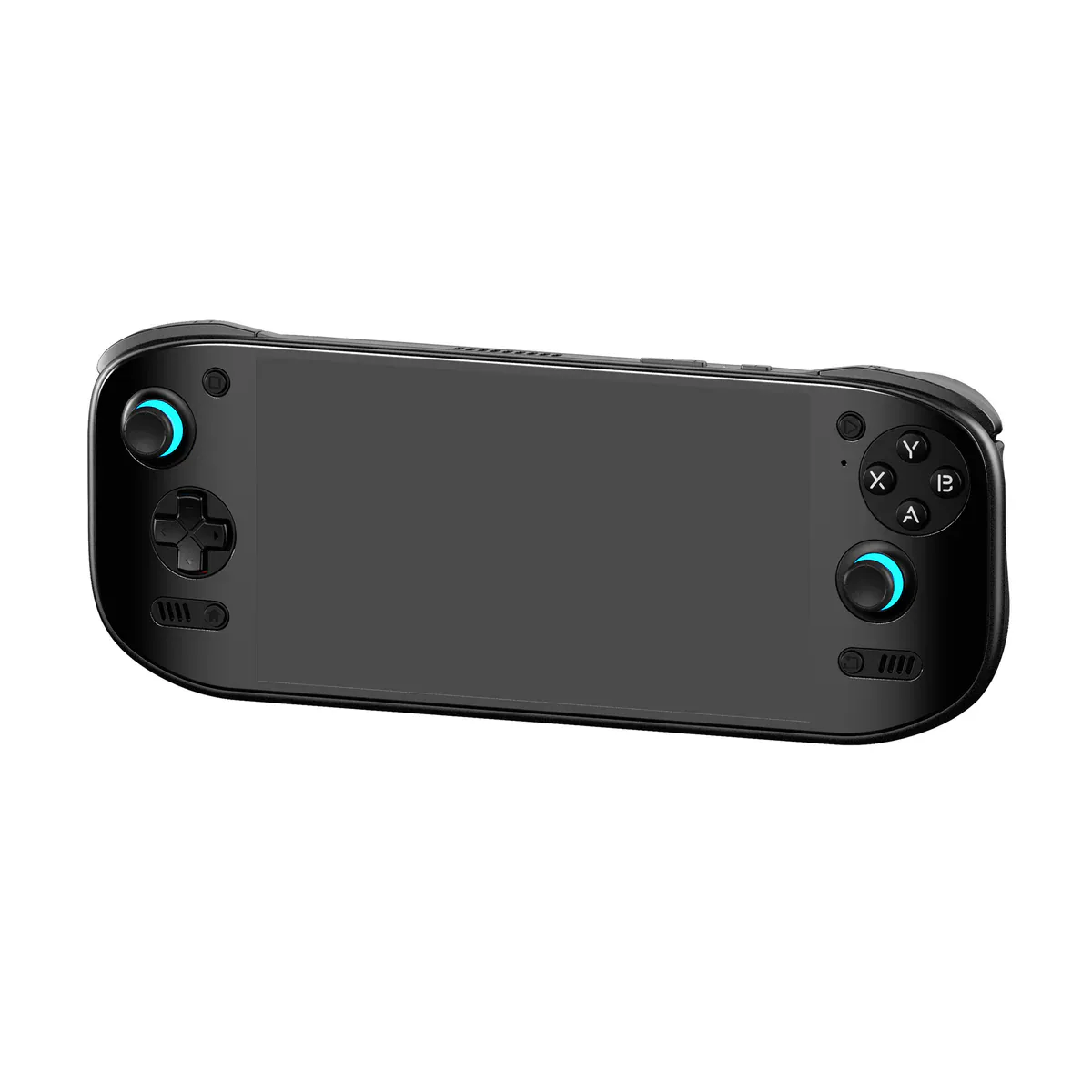
AYN Odin2 Portal is the large-screen Android specialist: its 7-inch 120Hz AMOLED panel, Snapdragon 8 Gen 2 performance, strong battery capacity, and streaming flexibility give it a distinct place beside the smaller retro handhelds.
Why it missed
It missed the top 10 because its 430g body is far from pocketable, Android setup remains enthusiast-led, comfort improves with the optional grip, and AYN has a smaller support network than the ranked mainstream brands.
Who it may suit
Read the full product review- Android players who want a large OLED screen
- Streaming and remote-play users who value a console-like display size
Retroid Pocket 6
Why we considered it
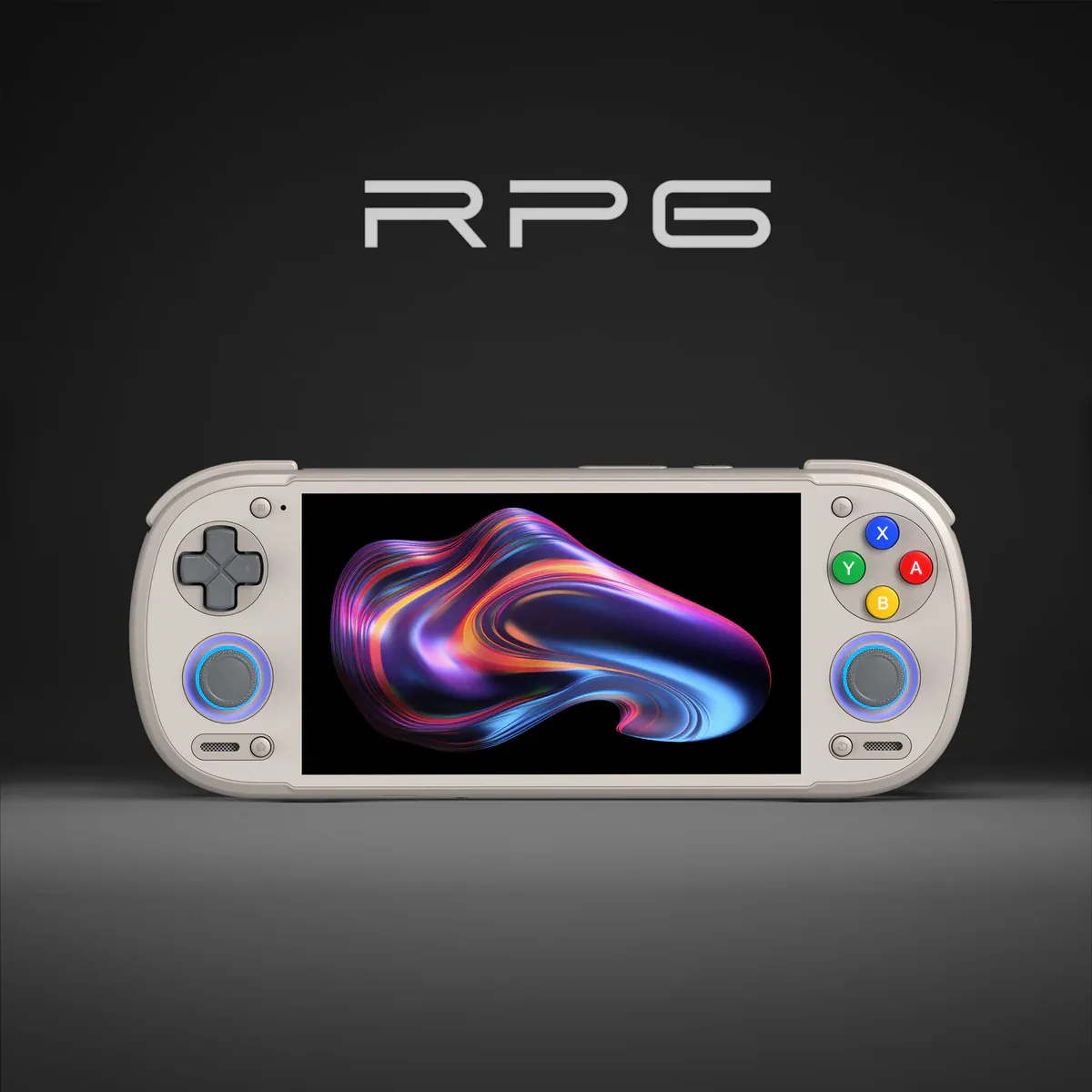
Retroid Pocket 6 brings Snapdragon 8 Gen 2 performance, a 5.5-inch 120Hz AMOLED screen, active cooling, and two control-layout choices to a more compact Android handheld than Odin2 Portal.
Why it missed
It remains outside the top 10 because setup still takes work, the design is divisive, the right stick can crowd the B button, and the ranked Retroid Pocket 5 has the longer ownership record and simpler recommendation case.
Who it may suit
Read the full product review- Compact high-performance Android gaming
- Widescreen systems, streaming, and remote play
ANBERNIC RG35XXSP
Why we considered it
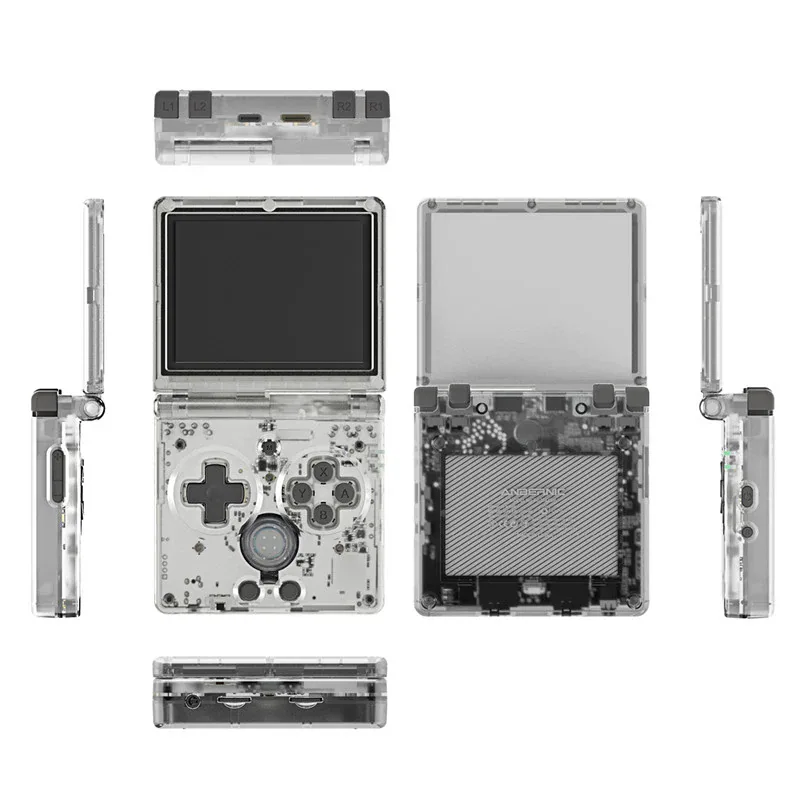
ANBERNIC RG35XXSP is a genuinely pocketable clamshell with a 3.5-inch 640x480 screen, a protective magnetic lid, useful Linux flexibility, and enough performance for a focused classic-game library.
Why it missed
It stays outside the top 10 because its strengths center on older 2D and PlayStation-era games, the stock interface rewards tinkering, the controls are unusually clicky, and owner reports show more build variation than the ranked retro choices.
Who it may suit
Read the full product review- Pocketable classic-game sessions
- Game Boy Advance SP fans who want a modern screen and broader system support
Follow RankReason
Useful updates, not shopping noise.
Get new rankings and material recommendation changes by email. Double opt-in, no daily promotions, unsubscribe any time.
Follow the RSS feedNo email address required.